 @iamvolshi2
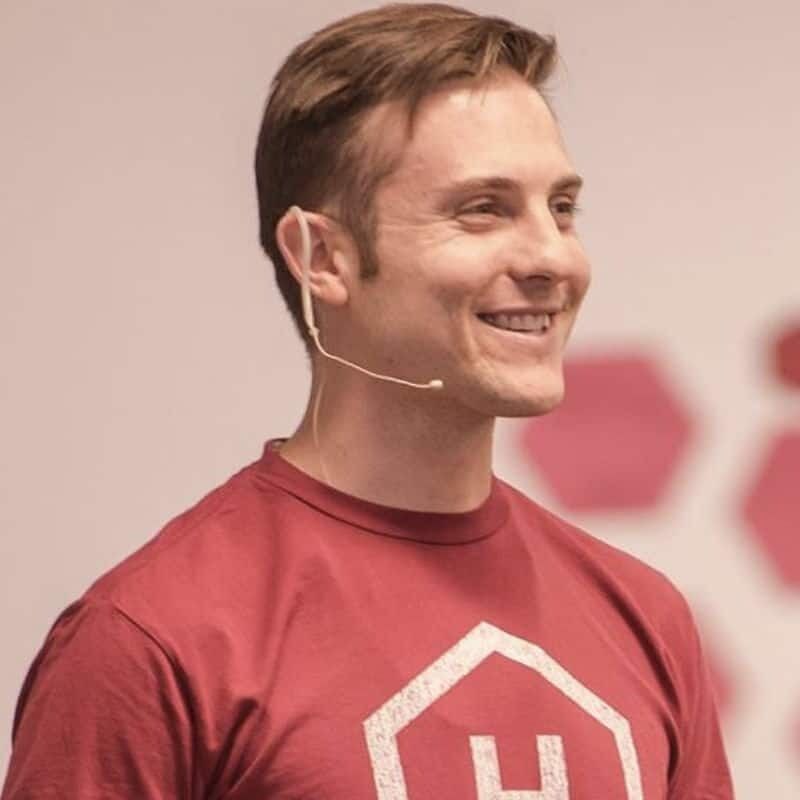
Hi, I'm Darren Hall — founder of VOLSHi
Hi, I'm Darren Hall — founder of VOLSHi, based in the Research Triangle, NC.
I build the accountability layer for AI agents. My engine, KATIE, keeps an unrewritable record of what an agent believed, when, and why it was justified. An agent acts, the evidence doesn't vanish — ask it why afterwards, and you get an answer from the record, not a plausible excuse.
The law behind it is published (Zenodo, v1.8, 8/8 predictions validated blind), the Rust kernel passes 26/26 tests, a U.S. provisional is filed, and the three engines run live together in a demo: volshi-trifecta.web.app
I'm a systems guy — 30 years in, from Army radiography to enterprise infrastructure — self-taught, dyslexic, and I built all of this from my van with no team, no lab, no funding. Pre-seed now, raising $250K to put KATIE inside 2–3 design partners' stacks.
If you're building agents that act where the stakes are real, I'd like to talk. Happy to be here.
— Darren
volshi.com












Comments4
Accountability and non-repudiable audit trails for autonomous agents are precisely where the industry is lagging. Moving away from probabilistic post-hoc justifications to deterministic state-history recording is crucial for safety-critical systems. Great approach on using a Rust kernel for immutability and performance. Are you currently focusing on multi-agent consensus validation or single-agent decision tracing? Best of luck with the design partners!
Thanks, Tetyana — and good question. Right now it's single-agent decision tracing first, and here's what that actually looks like in the record: An agent believes something, say "the supplier invoice is legitimate." That belief gets a K-record entry: what it believed, when it believed it, and what authority it stood on at the time. Later, if that belief turns out wrong, the old entry doesn't get edited or deleted. Its authority collapses to zero, and the new belief gets added as a new entry. So you can ask the machine, after the fact: - What did you believe at k=3? - What is its authority now? - When did you stop believing it? - What did you do while believing it? And you get answers from the record, not a plausible excuse made up afterwards. That's the difference from a log — a log says what happened, the K-record says what was believed, when, and why it was justified then. You can poke at a live one here: volshi.com/katie/kernel/ Multi-agent consensus builds on that same record later — but one agent's history has to be provable first, or the consensus is just shared amnesia. — Darren
For your 2 to 3 design partners, I'd go after startups already selling AI agents to banks and insurance companies. Their customers' risk teams keep asking why the agent made each decision, and a record from KATIE could help them close those deals. One paid pilot from a company like that would also make your $250K raise a lot easier.
For the design-partner search, lead with the 8/8 blind-validated predictions, not the architecture. That's the proof point a risk-averse buyer actually checks first.
4 comments
Accountability and non-repudiable audit trails for autonomous agents are precisely where the industry is lagging. Moving away from probabilistic post-hoc justifications to deterministic state-history recording is crucial for safety-critical systems. Great approach on using a Rust kernel for immutability and performance. Are you currently focusing on multi-agent consensus validation or single-agent decision tracing? Best of luck with the design partners!
Thanks, Tetyana — and good question. Right now it's single-agent decision tracing first, and here's what that actually looks like in the record: An agent believes something, say "the supplier invoice is legitimate." That belief gets a K-record entry: what it believed, when it believed it, and what authority it stood on at the time. Later, if that belief turns out wrong, the old entry doesn't get edited or deleted. Its authority collapses to zero, and the new belief gets added as a new entry. So you can ask the machine, after the fact: - What did you believe at k=3? - What is its authority now? - When did you stop believing it? - What did you do while believing it? And you get answers from the record, not a plausible excuse made up afterwards. That's the difference from a log — a log says what happened, the K-record says what was believed, when, and why it was justified then. You can poke at a live one here: volshi.com/katie/kernel/ Multi-agent consensus builds on that same record later — but one agent's history has to be provable first, or the consensus is just shared amnesia. — Darren
For your 2 to 3 design partners, I'd go after startups already selling AI agents to banks and insurance companies. Their customers' risk teams keep asking why the agent made each decision, and a record from KATIE could help them close those deals. One paid pilot from a company like that would also make your $250K raise a lot easier.
For the design-partner search, lead with the 8/8 blind-validated predictions, not the architecture. That's the proof point a risk-averse buyer actually checks first.