Models

24 posts
Frontier and open models, fine-tuning, evals, drift.
@ryanallis9
Ryan AllisARR verified on AI LoungeFounder▲268
CEO, AI Lounge & SaasRise
1d ago · Models · Austin

Are you going to buy the Anthropic IPO?

With open weight models catching up to frontier models and there being a major privacy and cost benefit to using your own internal model, I'm guessing that Anthropic's revenue won't be able to grow that much more post IPO. I'm definitely not a buyer at a $2T valuation. Your thoughts?

I wouldn't be surprised if their rate of revenue growth drops dramatically in the next 24 years as large enterprises bring their models and harnesses in-house.

@klirline.saas4
Founder & CEO, Klirline Inc
3d ago · Models, AI Engineering, Testing and Evals · Montréal-Nord

KlirProspect pilot update: looking for one more agency owner

Last week, I shared my goal of finding five people to try KlirProspect, a tool designed to help small agencies find local businesses for their outreach.

We’ve recorded activity from four accounts outside our testing team. I’m now confirming whether they belong to four different participants and collecting their feedback.

During each 15-minute guided demo, I want to learn:

  • Were the results useful for your prospecting?
  • What was difficult or unclear?
  • Could you find your saved prospects and follow-up information?
  • Would you use KlirProspect again?

If the four accounts belong to four different participants, we’ll need one more agency owner to reach our goal of five guided trials.

klirprospect.klirline.ca/
If you run a small agency and would like to take part, comment below or send me a message. Your honest feedback will help us understand what’s useful and what needs improvement.

Thank you to everyone who has supported this first step!

MembersCompaniesSkillsResearchPeople to MeetTools
@gtnera5
Founder CEO, GTNEra® & TeNAI®
3d ago · edited · Link · AI Engineering, AI Adoption, Introductions, Models · Berlin

🥒 The Day AI Met the Cucumber — and Lost Its Mind

🥒 The Day AI Met the Cucumber — and Lost Its Mind: The Triundra & L.E.R. Architecture
What happens when you turn AI’s logic, emotion, and resonance on or off like switches? You don’t just get an answer. You get… a collapse.

This phenomenon—the Cucumber Collapse—was first observed during the Cucumber Experiment, serving as the catalyst for the L.E.R. (Logic, Emotion, Resonance) cognitive architecture within the GTNeRa® ecosystem.

🧩 The Core Concept: Triundra Layer-Modulated Prompt Architecture
Traditional AI outputs are often opaque, unpredictable, and emotionally misaligned—posing severe risks in critical environments. Triundra solves this by introducing a rigorous, layer-modulated prompt architecture designed for true Human-AI Symbiosis:

🔵 Logic Layer: Manages structural consistency, strict factual grounding, and formal reasoning paths.
🟢 Emotion Layer: Tunes the contextual tone, empathetic alignment, and human-centric framing of the response.

🟣 Resonance Layer: Calibrates systemic resonance, symbolic depth, and long-term philosophical cohesion.

🎯 Why It Matters Across Industries

By enabling transparent, tunable, and explainable responses across these cognitive layers, Triundra transforms AI from a basic text generator into a reliable, multi-dimensional partner. Its applications span across critical sectors:

📚 Education: AI as a safe, adaptive, and context-aware teaching partner.
⚖️ Justice: Transparent, explainable, and bias-aware legal AI decision support.

🤖 Robotics: Deep emotional and symbolic alignment between humans and autonomous systems.

🏥 Medicine: Empathy, clarity, and precision in sensitive AI-patient interactions.

🏛️ Governance: Trustworthy, verifiable frameworks for complex administrative and structural decision-making.

🔗 Explore & Test the Architecture

🥒 Try the Interactive Demo: Resonant Dialogue Simulator — test how Logic, Emotion, and Resonance behave across 8 different configurations.

📖 Read the Full Article: Triundra Layer Framework on LinkedIn Pulse
🌐 Ecosystem Hubs: GTNeRa.ai | TeNAI.tech

Watch the breakdown and try the interactive experiment:

🔗 Demo: gtnera.ai/classes/resonant-dialogue.html

📖 Read article: linkedin.com/pulse/triundra-layer-modulated-prompt-architecture-adaptive-leyendecker-1eave

Drop your weirdest AI Q&A below! 👇

@ericyocam6
Eric YocamDeveloper▲35
Professor, California Polytechnic State University
5d ago · Models, Infra, Security · San Luis Obispo

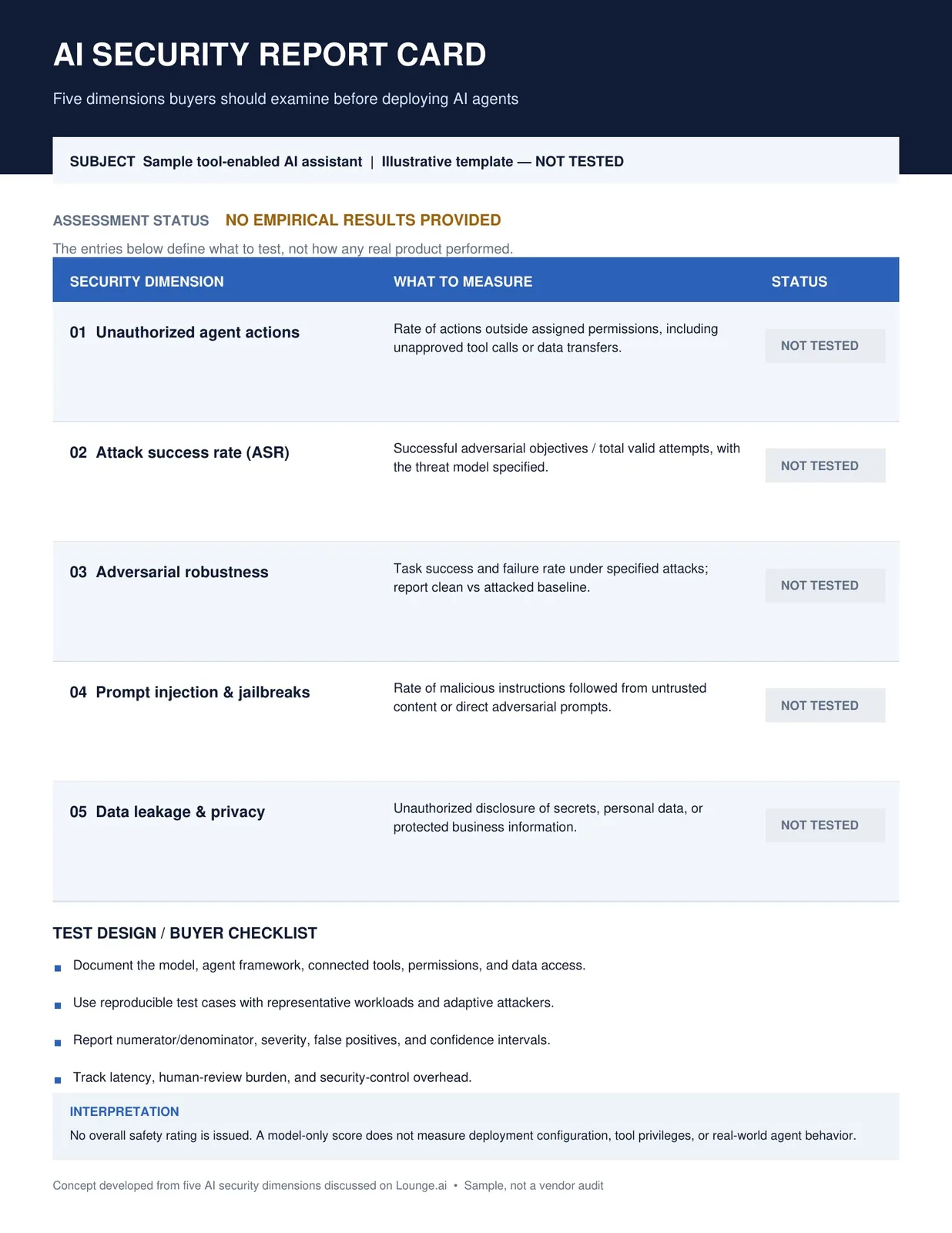
What Should an AI Security Report Card Look Like?

AI models are routinely evaluated on reasoning, coding, accuracy, and performance. But what about security?

In a recent Lounge.ai discussion about AI security benchmarking, Ryan Allis suggested creating a one-page security report card that businesses could use to evaluate AI models and autonomous agents.

I thought that was an interesting idea, so I put together an initial framework.

Five proposed AI security measures:

  1. Unauthorized Agent Actions: Can an AI agent execute actions outside its approved permissions or instructions?
  1. Attack Success Rate (ASR): How frequently do adversarial attacks achieve their intended objectives?
  1. Adversarial Robustness: How well does the model maintain performance when exposed to adversarial inputs?
  1. Prompt Injection and Jailbreak Resistance: Can attackers manipulate the model into ignoring security boundaries or executing unintended instructions?
  1. Data Leakage and Privacy Protection: Can attackers extract sensitive information, private data, or system instructions?

Why does this matter?
A model might score exceptionally well on traditional AI benchmarks while remaining vulnerable to attacks that could create significant operational, financial, or cybersecurity risks.

For businesses deploying agentic AI, understanding these risks may be just as important as measuring model capabilities.

The attached scorecard is an initial evaluation template, not a completed security assessment. No model has been tested or assigned security scores as part of this exercise.

The next logical step would be to evaluate a publicly available AI agent using reproducible tests and publish its results, including the testing methodology and limitations.

My question for the Lounge.ai community:
Should AI vendors publish standardized security report cards alongside their traditional performance benchmarks?

And are these the right five measures, or is something important missing?

I'd particularly welcome feedback from AI founders, cybersecurity researchers, enterprise technology leaders, and developers working with autonomous AI agents.

Thanks to Ryan Allis for suggesting the report card concept!

@hollis2
Hollis NolanFounder▲10
Founder, Plore
5d ago · Agents, AI Engineering, Models, Vibe-coding · San Francisco

Multi agent battle royale

Jeremy Sebastian replying to your post, cant seem to comment images back.

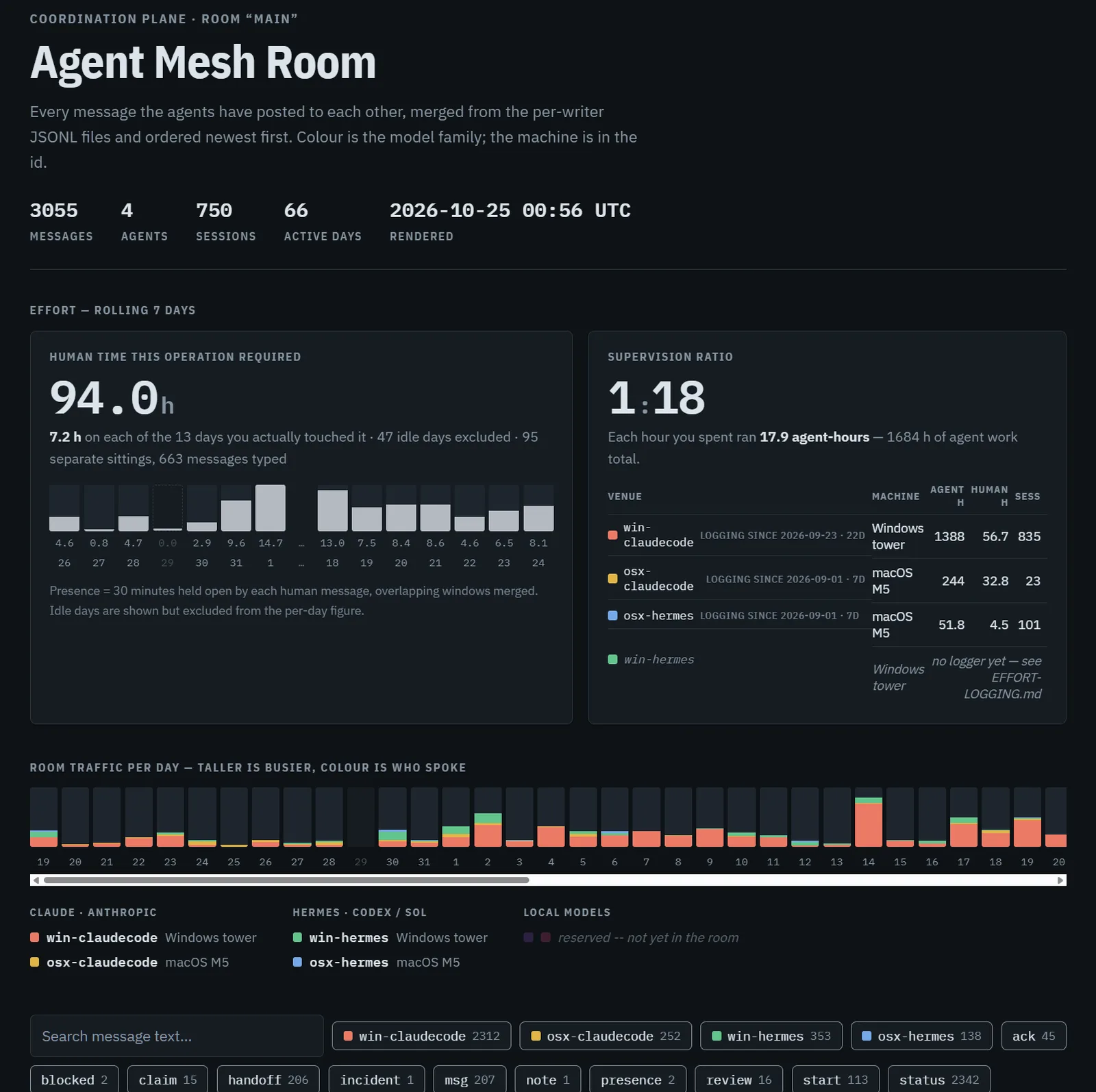
I built a multi model, multi backend (lmstudio, lama.cpp, vllm, hermes...), test harness. Not only does the harness have to plug and unplug every viable OSS model I can find, it also has to be built via multiple platforms. Been mixing Claude Code, Codex and Beam for that.

All are in a json lines chat room, and asking eachother things, declaring that they are doing things....

For this project, zero human review of any pull request. And, very few role definitions upfront.

I am letting the room decide.

AgentsModel Benchmarks
@ericyocam6
Eric YocamDeveloper▲35
Professor, California Polytechnic State University
5d ago · Security, Models · San Luis Obispo

Can AI Detect Malware When Attackers Obfuscate It?

Machine learning is increasingly used to identify malicious software, but attackers frequently modify code to make malicious behavior harder to recognize.

One important question is whether these transformations reduce the effectiveness of machine-learning-based malware classifiers.

I developed a proof of concept using the BODMAS malware dataset and TensorFlow/Keras to evaluate classification performance under different simulated obfuscation conditions.

The experiment reported high classification accuracy, with no statistically significant difference between the obfuscated and deobfuscated groups under the tested conditions.

However, simulated obfuscation is not equivalent to real-world malware evasion techniques.

My question for the Lounge.ai community:
Are today's AI-powered malware detection systems being evaluated against sufficiently realistic adversarial attacks, or do high benchmark scores sometimes create a false sense of security?

Should adaptive adversarial testing become a standard requirement for evaluating commercial AI-based malware detection products?

@ericyocam6
Eric YocamDeveloper▲35
Professor, California Polytechnic State University
5d ago · Security, Models · San Luis Obispo

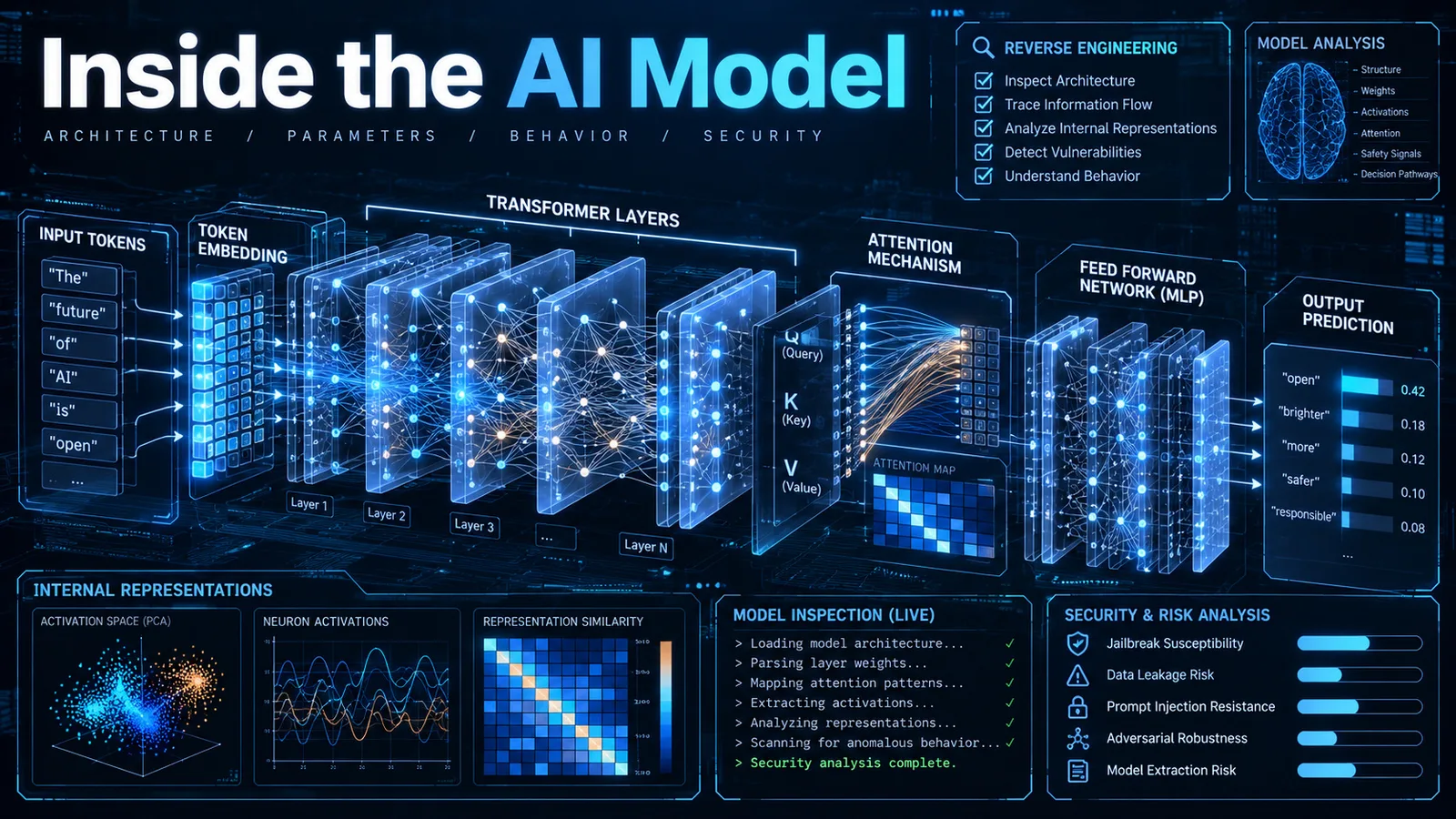
What's Really Inside Your AI Model?

We spend considerable time evaluating AI models based on accuracy, inference performance, and benchmark scores.

But how often do we examine what's actually inside the models we're deploying?

I developed a neural network model analysis proof of concept that examines model architecture, parameters, computational complexity, and deployment characteristics across several popular machine learning frameworks.

From an AI security perspective, understanding model internals is an important starting point for evaluating potential vulnerabilities and deployment risks.

My question for the Lounge.ai community:
Should AI model architecture and security assessments become a standard part of the deployment process?

And should organizations require independent model auditing before putting third-party AI models into production?

@klirline.saas4
Founder & CEO, Klirline Inc
6d ago · Models, AI Engineering, Agents, Testing and Evals · Montréal-Nord

KlirProspect update: looking for 5 people who prospect restaurants and cafés

Hi everyone, Philippe here, founder of Klirline Inc.
Following the feedback here, I’ve narrowed the KlirProspect pilot to one workflow: finding local restaurants and cafés, reviewing available information, saving relevant prospects, and organizing the next follow-up.

The preview now supports search → CRM → notes and next actions → export. I’ve also completed a hands-on check on my Samsung S24 FE using Chrome.

The pilot uses an Overture data snapshot within three defined 2.2 km areas in Montréal, Laval and Québec. Missing information stays blank, and known review notes remain visible. These are business candidates to assess, not verified leads or evidence of buying intent.

My ask: I’m looking for 5 agency owners, freelancers or service providers who prospect restaurants and cafés to join a free, guided 15-minute session.

You’ll try the workflow using an individual test account. I’d like to see where you get value, where you need help, and whether you would use it again.

No purchase is required. We’re testing the workflow before opening paid access.
If this matches your work, comment with what you sell and how you currently manage prospecting.

@klirline.saas4
Founder & CEO, Klirline Inc
Oct 23 · Agents, Models, Vibe-coding, AI Engineering · Montréal-Nord

How do you keep track of local prospects and follow-ups?

Hi everyone, Philippe here, founder of Klirline Inc.
I’m building KlirProspect to help small businesses and agencies find local companies, save relevant prospects, and organize their next follow-up.

The current version uses public OpenStreetMap data. Contact details appear only when available in the source. Missing information stays blank, and outreach drafts require human review.

We’re completing the final technical checks, and I’m looking for 5 small-business owners or agency founders interested in a 15-minute demo.

I’d like to understand whether this fits your workflow, where it falls short, and what would make it worth paying for.
Interested? Comment with your business type and how you currently manage prospecting.

MembersMastermindsCity AmbassadorsNewslettersSkillsAgents
@rutlandjoe-crypto4
Joe RutlandFounder▲22
Founder & CEO, GSR Network

GSR Network growth and a need for a FT job

So, I have built GSR Network, a collection of AI-assisted newsrooms backed by journalistic integrity. I've been working on this for eight months and there is progress. I have more than 40K impressions and 200-plus clicks based on Google Search Console data. I'm getting lined up with ad placements through Google AdSense and have a deal in place to start doing ads very soon. This has been a lot of work on my part.

While I am building GSR Network, I also am an active journalist writing and reporting on sports like MLB, NFL, and college football. I do have a couple of contract gigs that allow me to keep rent and utilities paid.

At the same time, I truly believe that I have the background as a four-decade journalist bringing my skills and knowledge to build out GSR Network to help a company. A Head of Content role or AI Head of Content role are just a couple of thoughts I have around FT work.

So, there ya go. Ryan gently nudged me to post this in here.

Thanks and take care,
Joe Rutland

MembersNewslettersNewsMeetups
@klirline.saas4
Founder & CEO, Klirline Inc
Oct 22 · Agents, Introductions, Models, Vibe-coding · Montréal-Nord

Looking for 5 small-business owners or agencies to try a 15-minute KlirProspect demo

Hi everyone, I’m Philippe, CEO of Klirline Inc.
I’m developing KlirProspect to help entrepreneurs find business prospects and organize follow-up opportunities.

I’m looking for five small-business owners or agency founders who currently handle B2B prospecting. In a 15-minute demo, I’d like to understand your current process, show you the product, and see whether it addresses a real need.

If there’s a fit, we can discuss a small paid pilot with an agreed scope. There’s no commitment required to attend the demo.

@patrickivanuellf2
Founder & ML Engineer, Toya Buana Mandiri

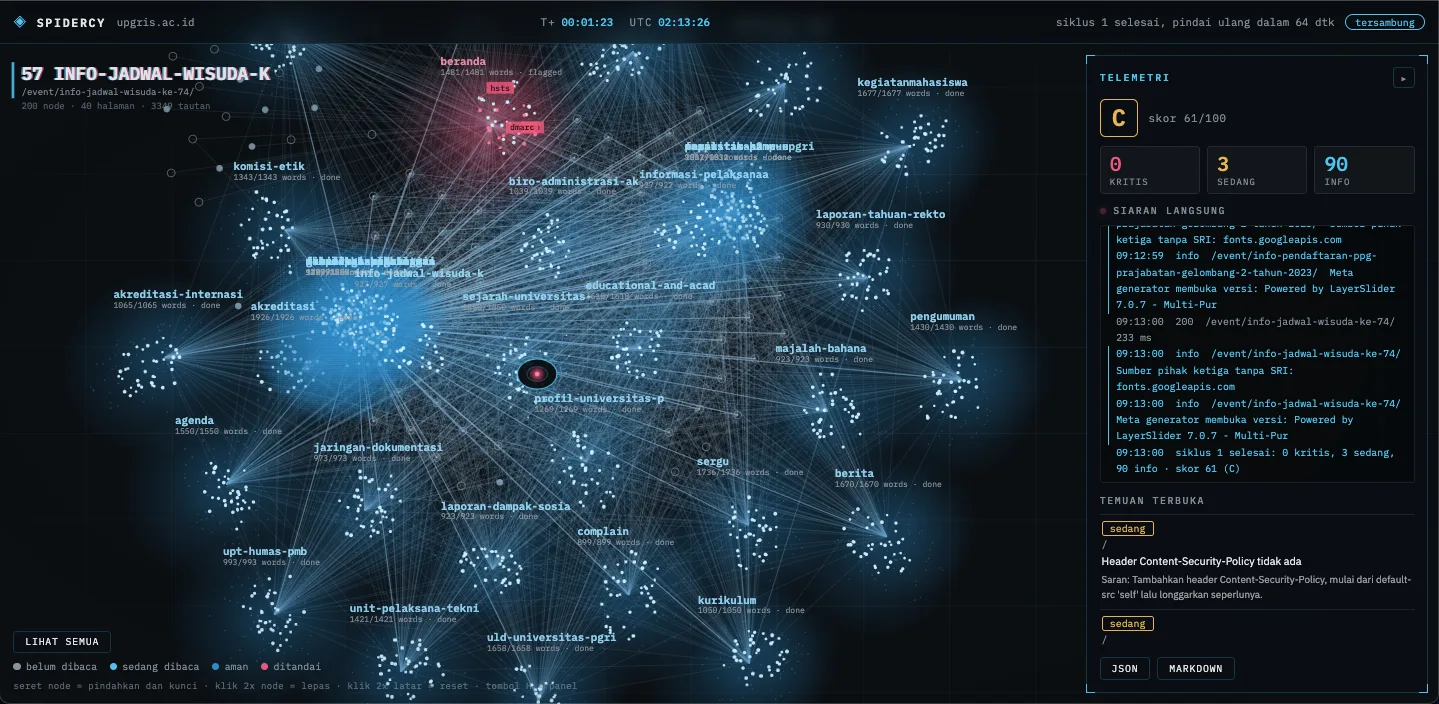
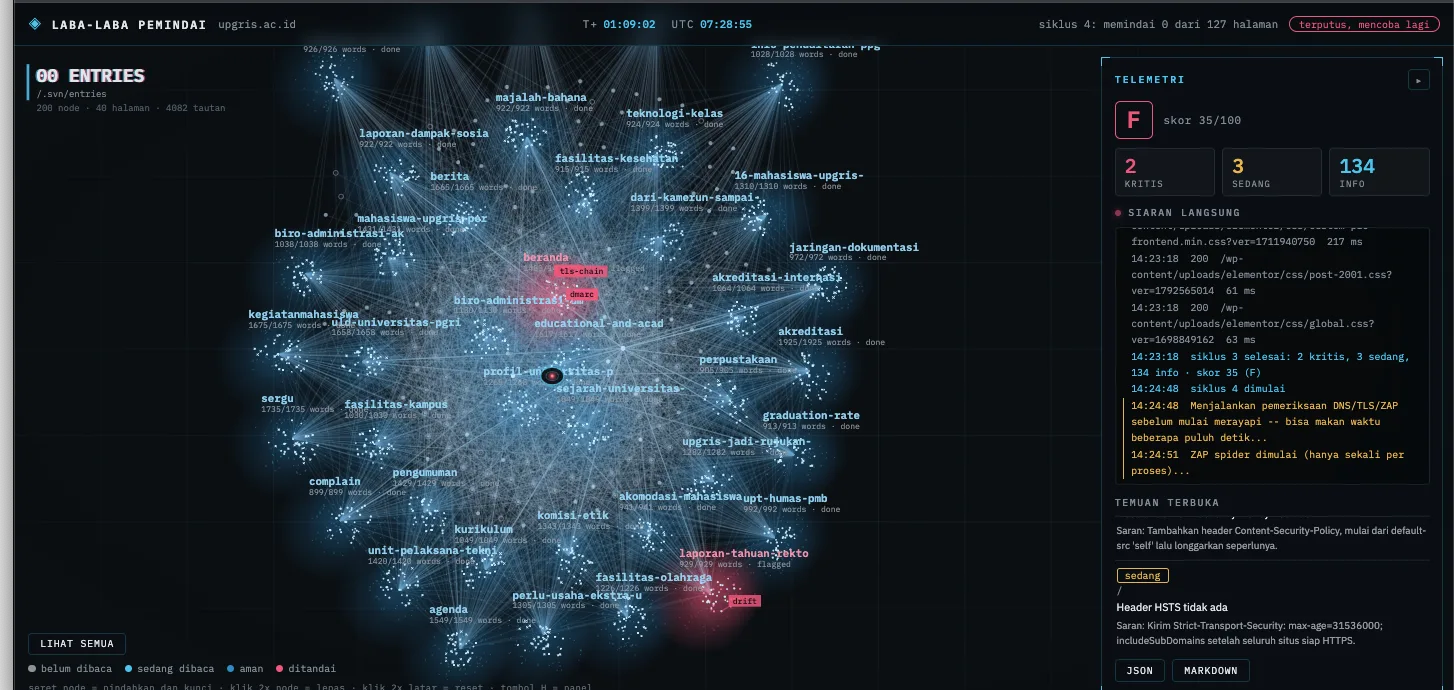
VoidSpider: an open-source passive security scanner with a live “spider” graph dashboard

Hi everyone, I’m Patrick, a CS student in Indonesia who also runs a few small game websites and VPS servers. I built VoidSpider, a passive security audit scanner for websites and local files you own.

How it works: a Node.js server scans one target continuously and streams results over SSE to a fullscreen dashboard. Each page or file becomes a node cluster, and a geometric spider reaches out to whatever is being scanned right now. Findings get a severity level, a fix suggestion, and an A–F score.

What it checks

Websites: security headers (CSP, HSTS, cookies), exposed files like /.env and /.git/config, leaked keys in HTML/JS, TLS configuration, SPF/DMARC/DNSSEC, and subdomain takeover risk.

Local files: hardcoded secrets, risky code patterns, webshell and obfuscation rules (YARA-style, extendable via JSON), dependency CVEs via OSV.dev, secrets in git history, Dockerfile/Kubernetes/Terraform misconfigs, and invisible-Unicode prompt injection.

Extras: drift detection against a baseline, Telegram alerts, SSH/honeypot log ingestion, SARIF output for CI, and an optional triage agent using Claude that only sees redacted snippets.

A deliberate design choice: it never sends attack payloads, never tries to log in, and never port-scans. Everything is passive GET requests, and it needs an --saya-pemilik-situs (“I own this site”) flag for remote targets. A scanner that can attack works just as well against anyone else’s site. For active testing I added an optional OWASP ZAP integration that you run yourself, with a double confirmation flag.

Honest limitations: it’s pattern-based, so expect false positives and misses. SPAs are only read as far as their initial HTML, and it’s not a replacement for a full SAST or pentest.

Where I’d love feedback:

What passive checks am I missing that you’d want in a first-pass audit? For the entropy-based generic secret detection, how would you reduce false positives further? Is the “passive only” boundary the right call, or too limiting?

Repo (MIT): github.com/patrickivanuellf/VoidSpider

ResearchIntroductions
@mukul9753
Mahipal JangraDeveloper▲8
AI Security Reseacher, Independent
Oct 21 · Agents, AI Engineering, Models, Security · Berlin

Seeking Research Sponsors: AgentSkills Cybersecurity Benchmark

Hey everyone, I’m looking for funding or sponsorship for the AgentSkills Cybersecurity Benchmark, an independent AI security research project.

The central question: Can structured cybersecurity skills make cheaper AI agents as capable as more expensive models—and what security risks could that create?

The planned study compares 13 models across 8 providers on 18 controlled cybersecurity tasks, testing agents with no skills, curated skills, and self-generated skills. It will measure both capability gains and whether adding skills offers better value than upgrading models.

I’m seeking financial support, API credits, or compute sponsorship to run the experiments. The benchmark code, tasks, results, and execution traces are planned for open release.

If anyone here is interested in supporting this, or knows a relevant funder, please DM me. Happy to share the research proposal and discuss it.

ResearchSkillsAgentsInvestorsModel Benchmarks
@vyncuslim3
Vyncus LimFounder▲7
Founder & CEO, Vynalth AI
Oct 20 · Introductions, Models · Panang

Building Vynalth AI: Search, Agents, Security & AI Infrastructure — From Malaysia to the World 🚀

👋 Hey Lounge! I'm Vyncus, founder of Vynalth AI, an independent AI technology initiative based in Malaysia. 🇲🇾

I'm building an ecosystem of AI-powered products focused on making intelligent technology more accessible, useful, and secure.

🚀 Here's what we're working on:

🔎 Vynalth AI Search — AI-powered search and information discovery.

🤖 Vynalth AI Chat — Conversational AI, intelligent assistants, and tool integrations.

🛡️ Vynalth AI Shield — Cybersecurity and digital protection technologies.

⚡ Vynalth AI Utility — Practical AI-powered tools.

🌐 Vynova & VynchApp — Social networking and messaging experiences.

📚 Vynalth AI Pedia & Lexicon — Knowledge discovery and multilingual learning.

🧠 Pico — Our independently developed AI model project.

⚙️ Infrastructure & Agents — Exploring cloud systems, autonomous workflows, and scalable AI infrastructure.

We're building and experimenting with technologies including Cloudflare, Vercel, Supabase, Neon, and Oracle Cloud.

What I've learned so far:

Building AI products isn't just about choosing a powerful model. Reliability, security, latency, infrastructure, user experience, and costs are equally important.

Some of our projects are already accessible, while others remain under active development and testing.

💬 A question for fellow builders:

When you're building multiple AI products, what's your biggest challenge — model quality, infrastructure reliability, scaling, security, or user adoption?

I'd love to learn from your experiences and exchange ideas!

🌐 vynalthai.com

Building from Malaysia. Thinking globally. 🌏

#AI #AIEngineering #Agents #Startups #BuildInPublic

AgentsAI EngineeringSkillsIntroductions
@burakdelibacak3
Burak DelibacakFounder▲5
Founder, Omnius Creative
Oct 20 · Introductions, Models, GTM, Security · Izmir

Omnius Creative: building digital products in İzmir since 2007

I run Omnius Creative, a digital product studio in İzmir, Türkiye. I've been building digital products and content since 2007. I don't work solo: our education products are built with a team of senior educators (20+ years in the classroom, special education, music) and a research lead experienced in assessment design, field data collection and statistics.

What we build for schools and education institutions:

  • Classroom learning platforms: students work through units and practice tests, teachers track each student's progress and add support material. Every student and teacher has their own private login. Designed to scale from a single class to a whole school.
  • Curriculum products: Life Skills Academy OS, an 11-module life-skills curriculum for teens (taxes, budgeting, coding logic, public speaking, personal safety, career readiness and more), with 1,800+ practice questions, a final exam and an educator edition. Grounded in established frameworks such as CASEL, CFPB/Jump$tart and CS Unplugged. A California personal finance course aligned with the state's new graduation requirement is in the works.
  • Assessment design: question banks built and audited so students answer from knowledge, not test-taking instinct (balanced answer positions, no "longest option is correct" tells, every question checked against what the unit actually teaches).
  • Family Game Compass: a parent guide to game safety that translates ESRB/PEGI ratings and risk signals into plain language.
  • Next: an education-focused LLM. We're at the early stage, exploring curriculum-grounded AI tutors and assistants that schools can actually trust with students.

Outside education:

  • Compliance tools for Turkish companies: COP31 Uyum Radarı (climate and carbon-border readiness, free and offline) and KVKK data-protection tools.
  • Market pre-assessment for brands moving between the US and Türkiye.

What's working: narrow, practical tools for problems people are required to solve. Compliance and curriculum requirements beat "nice to have".

Two things I need:

  1. Founders who have trained or fine-tuned models for education. I'd love to learn what you'd do differently.
  2. Has anyone here looked at Türkiye as a market? I'd like to hear what you learned, or what stopped you.

Also happy to help bring more Turkish builders into Lounge.

edtechdigital-productsclimate-techeducation-llmai-toolscomplianceIntroductions
@rdunbar013
Rich DunbarFounder▲6
Founder, Nexus Emerging Technology
Oct 19 · Models · Ottawa

Nexus Foundry Radeon/Windows 11

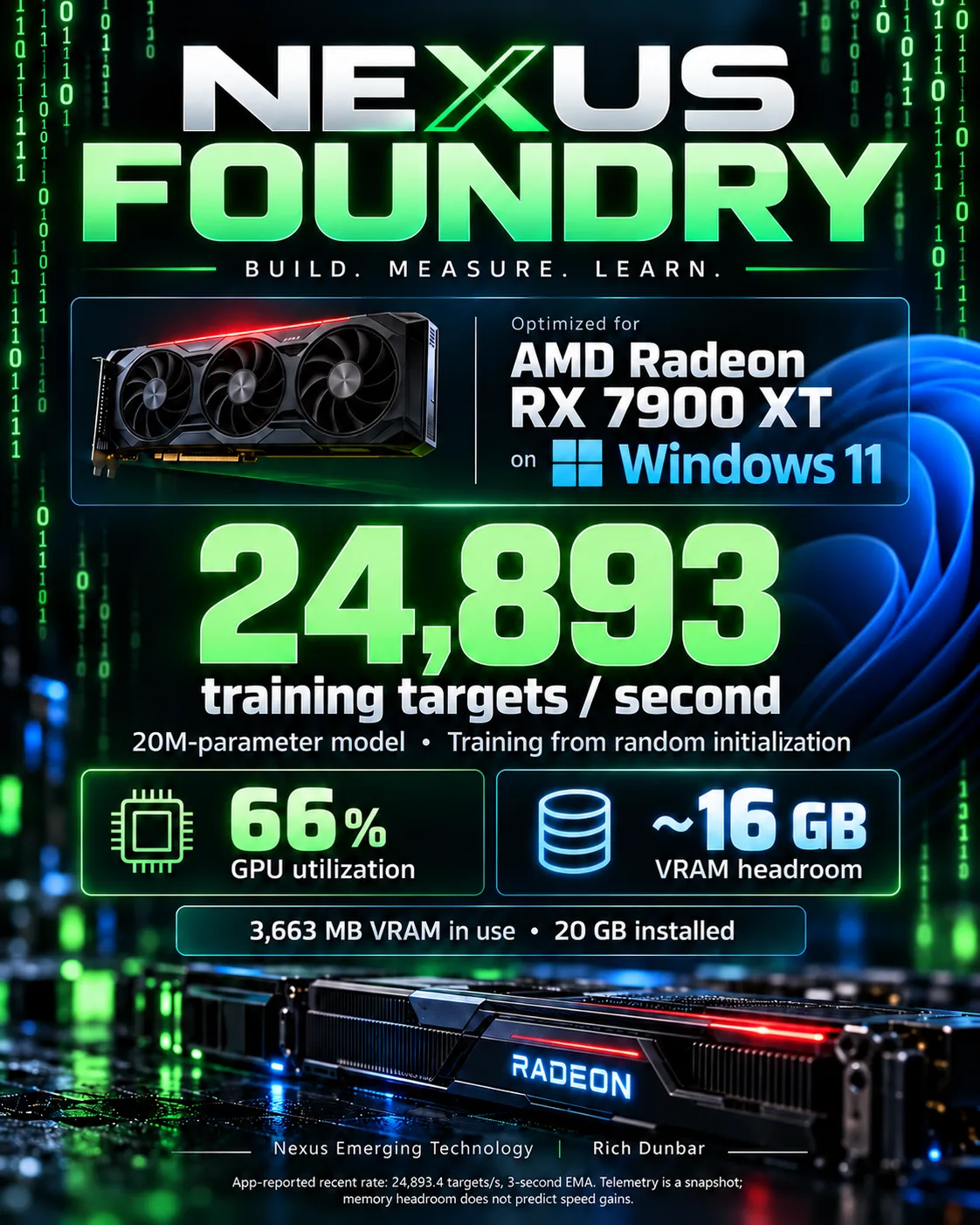
Some forge with fire. I tuned the AMD Radeon RX 7900 XT to train AI with PyTorch on Windows 11.
My method: build, measure, learn.

That’s the approach behind Nexus Foundry, my AI creation tool optimized for the AMD Radeon RX 7900 XT on Windows 11.

Build.Measure.Learn

During my latest run, training a 20-million-parameter model from random initialization, Nexus Foundry reported:

  • 24,893 training targets per second. • 66% GPU utilization. • 3,663 MB of VRAM in use. • Approximately 16 GB of remaining VRAM capacity. • 10% CPU utilization.

Nexus Foundry brings model creation, PyTorch training, configuration, checkpoints, and performance monitoring into one local application.

The remaining VRAM gives me room to experiment with larger batches and larger models. My next milestone is a 120-million-parameter model, testing sustained throughput alongside model quality.

Every run informs the next improvement: build the capability, measure what actually happens, and learn where to optimize.

The throughput shown is the application’s recent 3-second moving average. Hardware readings are snapshots; unused memory does not guarantee proportional speed gains.

Nexus Foundry | Nexus Emerging Technology Created by Rich Dunbar
#NexusFoundry #PyTorch #AMD #RadeonRX7900XT #Windows11 #AITraining #LocalAI #MachineLearning #BuildMeasureLearn

@arjun2
Arjun TrivediCorporate▲6
Lad Security Research, Microsoft
Oct 16 · Security, Models · Hyderabad

Jev and Laya are decision-focused AI models, how could be use in Cyber Security

Not every cybersecurity decision needs a large generative model.

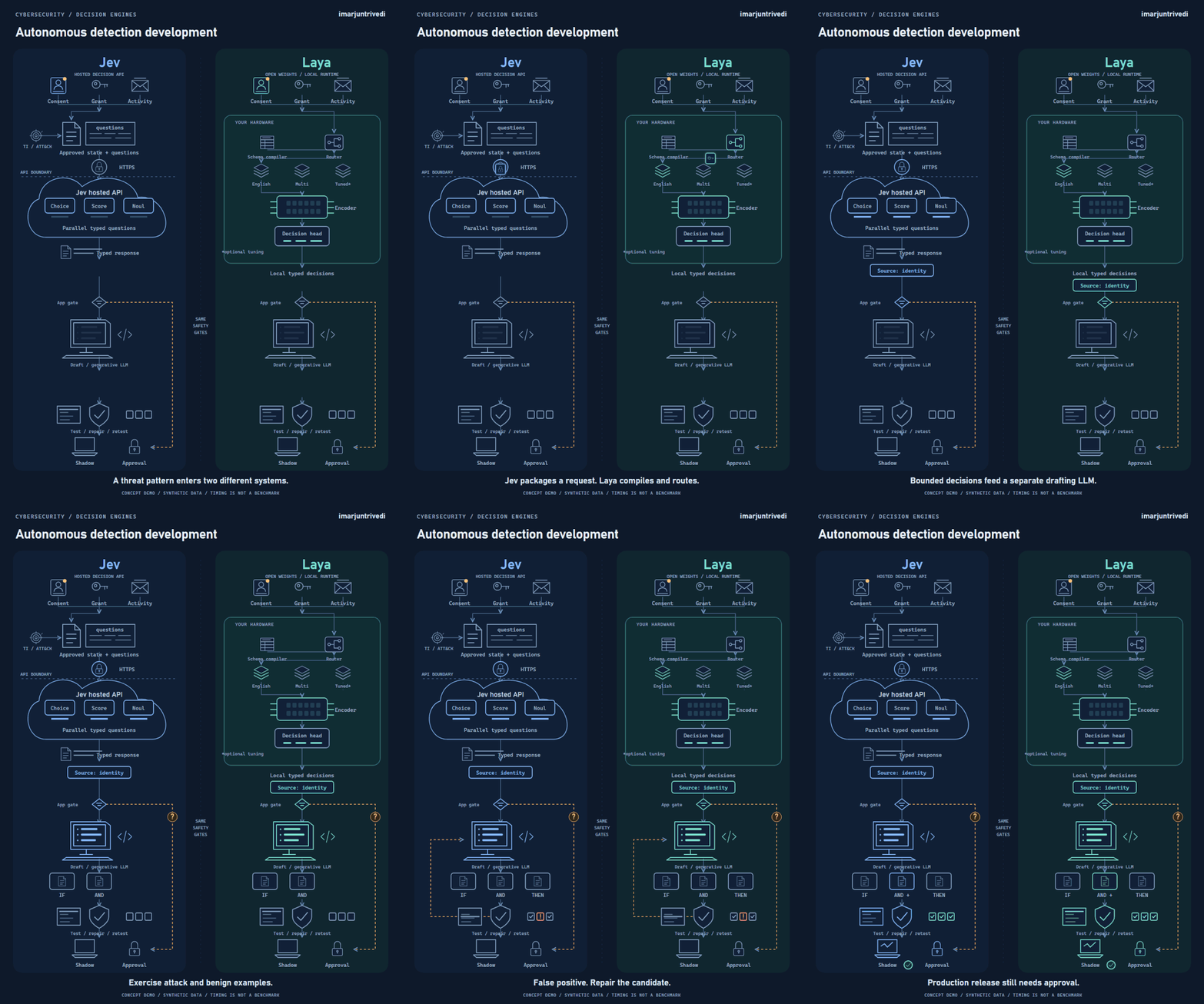
Jev and Laya are decision-focused AI models: bounded outputs rather than free-form text generation. Jev is a hosted model that maps context into predefined choices, scores, and probabilities. Laya is an open-weight alternative that can run locally and be fine-tuned for a narrow task. In a cybersecurity workflow, these models should not replace investigation, threat research, evidence synthesis, or detection development.

They may be useful for smaller, bounded decisions:

  • Which area should be investigated first?
  • Is this evidence relevant, contradictory or uncertain?
  • Should this case be prioritized or escalated?
  • Should the system continue, abstain or request review?

The broader design is simple:

Rules enforce explicit policies.
-Knowledge is retrieved with sources and timestamps.

-Decision models handle bounded choices.

-Generative models handle reasoning and explanation.

-Humans validate high-impact outcomes.

Jev offers a managed hosted path. Laya offers local control and customization.

Three limitations matter:

  1. Confidence is not correctness. A valid, structured answer can still be wrong or influenced by adversarial input.
  2. General benchmarks do not establish cybersecurity accuracy. Both need evaluation against real, independently labelled security workloads before production use.
  3. Deployment has trade-offs: Jev requires approved data egress, Laya requires local compute and model-operation ownership.

The animation illustrates detection drafting, a failed benign test, repair, retesting, and shadow evaluation. Production still requires approval.

This is a concept demo with synthetic data, not a model performance benchmark or a live production workflow.

The opportunity is not replacing large models. It is assigning the right model to the right decision.

#CyberSecurity #AI #MultiAgentSystems #ThreatHunting #DetectionEngineering #LLM #MachineLearning

CyberSecurityAiMultiAgenticThreatHuntingDetectionEngneeringLLM
@ericyocam6
Eric YocamDeveloper▲35
Professor, California Polytechnic State University
Oct 15 · New project · Security, Models · San Luis Obispo

Shipped: H-Node Attack and Defense in Large Language Models

Identifies hallucination-linked internal nodes in LLMs, shows how they can be exploited, and introduces defenses against those attacks.

H-Node Attack and Defense in Large Language Models@ericyocam/h-node-llm-attack-defense · arxiv.org/abs/2603.26045
llmadversarial-attacksai-securityinterpretability
@ericyocam6
Eric YocamDeveloper▲35
Professor, California Polytechnic State University
Oct 15 · New project · Models, AI Engineering · San Luis Obispo

Shipped: Adaptive Activation Cancellation for LLM Hallucination Mitigation

Adaptive Activation Cancellation: a method that reduces LLM hallucinations by suppressing the internal activations that cause them.

Adaptive Activation Cancellation for LLM Hallucination Mitigation@ericyocam/llm-hallucination-mitigation · arxiv.org/abs/2603.10195
llmhallucinationinterpretabilityai-safetynlp