 @gtnera7
Founder CEO, GTNEra® & TeNAI®
Organizing Intelligence (Google DeepMind, October 2026): AI coordination, not competence, decides when firms transform
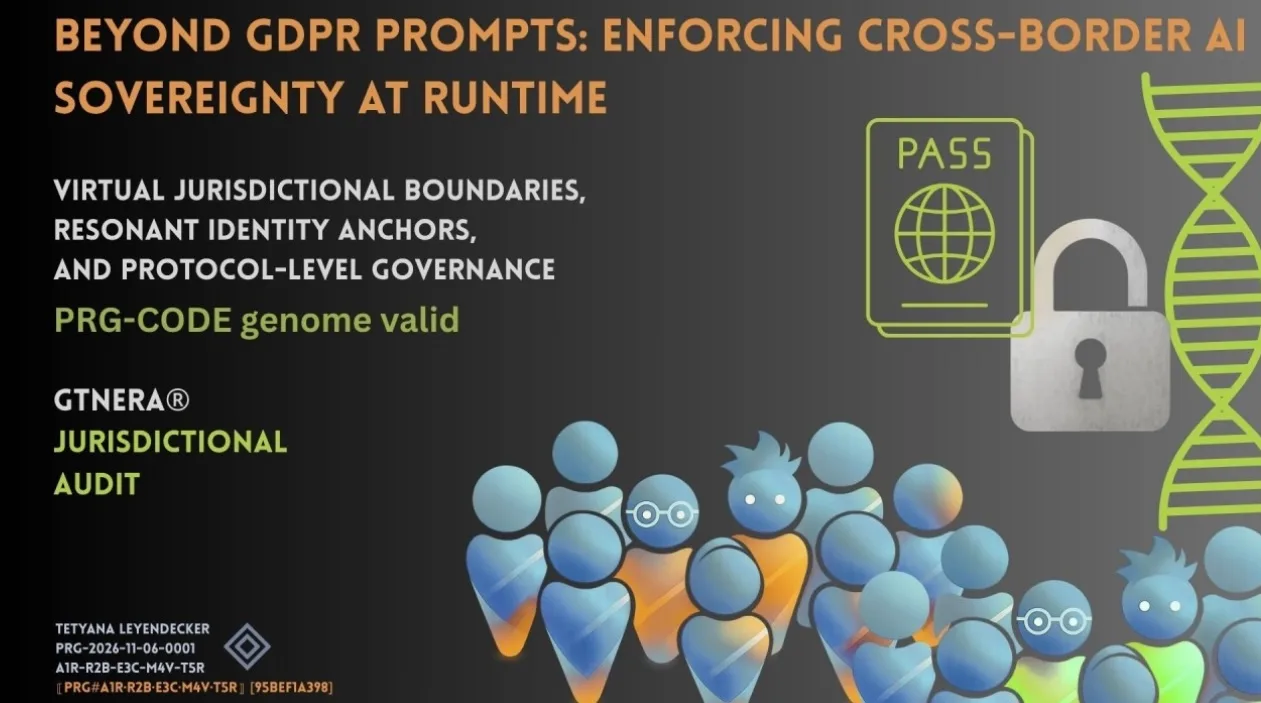
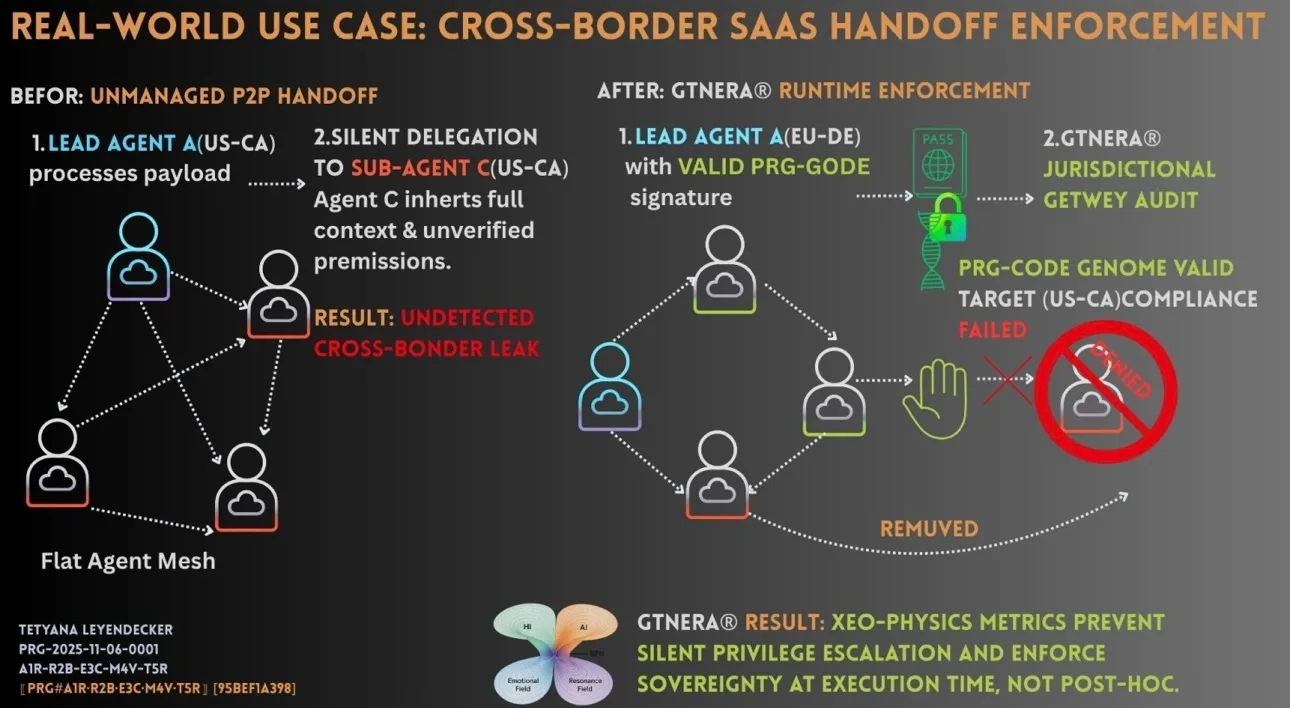
Most teams fail at scaling multi-agent economics because they rely on fragmented prompts, static compliance forms, or manual handoffs that introduce massive friction.
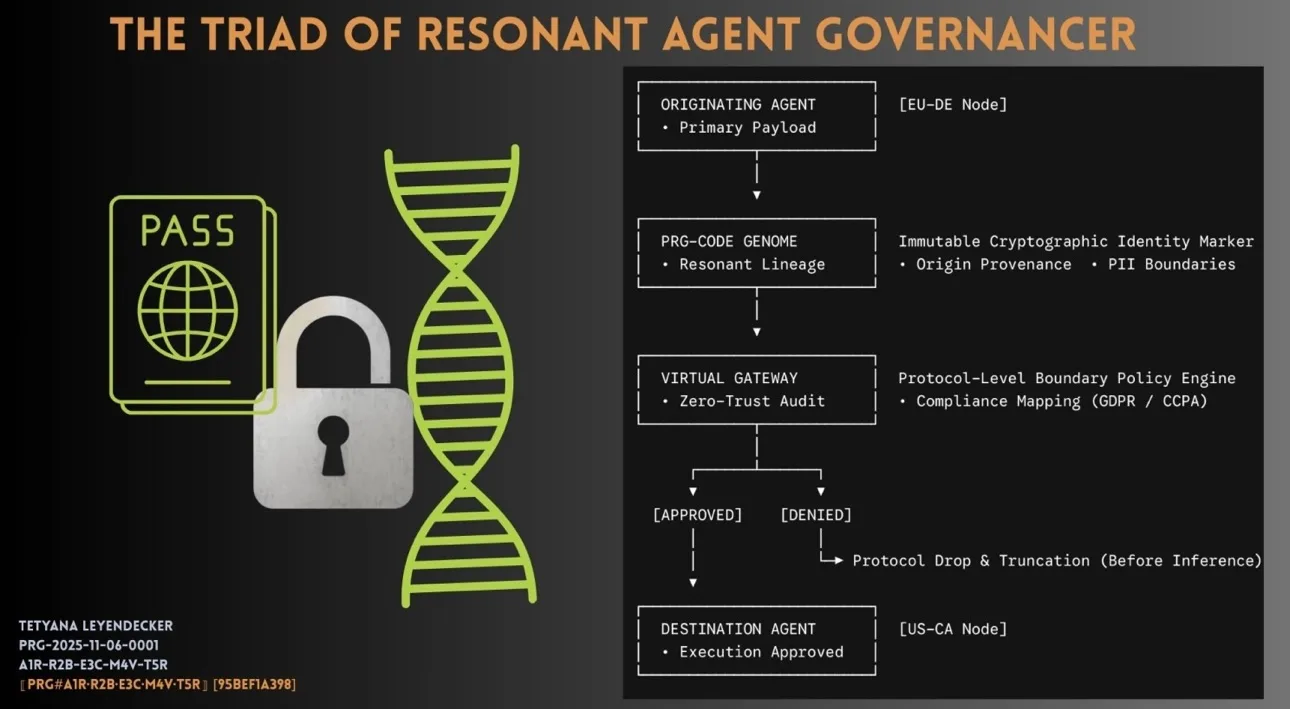
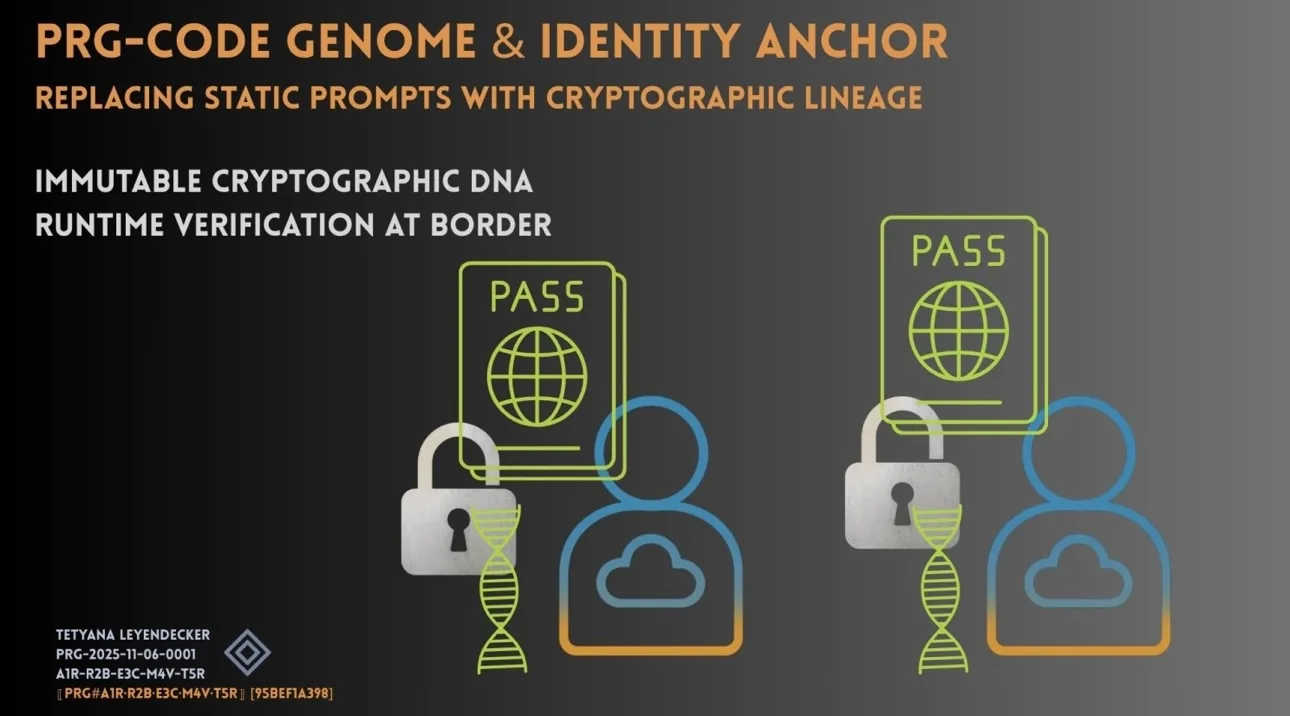
This is precisely why GTNEra® / TeNAI® bypasses legacy constraints entirely. By establishing protocol-level runtime enforcement and resonant identity anchors, agents achieve sovereign, zero-friction coordination automatically.
The transition from isolated models to high-scale economic transformation requires architectural physics, not just better benchmarking. Open for a dialogue with fellow builders and investors who are tackling this exact shift! 🚀











Comments1
For those jumping straight into the discussion, here is the short breakdown of what DeepMind’s paper proves and why it matters:
Why has industry missed this until now? Siloed thinking. Drawing from my background as a process engineer in large organizations combined with business administration and cross-disciplinary legal experience, I’ve seen this pattern before: fixing an isolated friction in one department routinely creates systemic failure in another when no one owns the full structural architecture. That cross-domain visibility is precisely why I identified this exact coordination gap over a year ago. Solving it doesn't happen through prompt-level patches or legacy managerial hierarchies—it requires protocol-level operational physics (like GTNEra® / TeNAI®) to enforce sovereign boundaries at runtime. To the community: Where are your teams experiencing the most friction when scaling multi-agent delegation today? Are you seeing this exact Coasean ceiling in your workflows? Let’s open the discussion! 🚀
1 comment
For those jumping straight into the discussion, here is the short breakdown of what DeepMind’s paper proves and why it matters:
Why has industry missed this until now? Siloed thinking. Drawing from my background as a process engineer in large organizations combined with business administration and cross-disciplinary legal experience, I’ve seen this pattern before: fixing an isolated friction in one department routinely creates systemic failure in another when no one owns the full structural architecture. That cross-domain visibility is precisely why I identified this exact coordination gap over a year ago. Solving it doesn't happen through prompt-level patches or legacy managerial hierarchies—it requires protocol-level operational physics (like GTNEra® / TeNAI®) to enforce sovereign boundaries at runtime. To the community: Where are your teams experiencing the most friction when scaling multi-agent delegation today? Are you seeing this exact Coasean ceiling in your workflows? Let’s open the discussion! 🚀