The Programmable Data Center — Evan Conrad, SF Compute
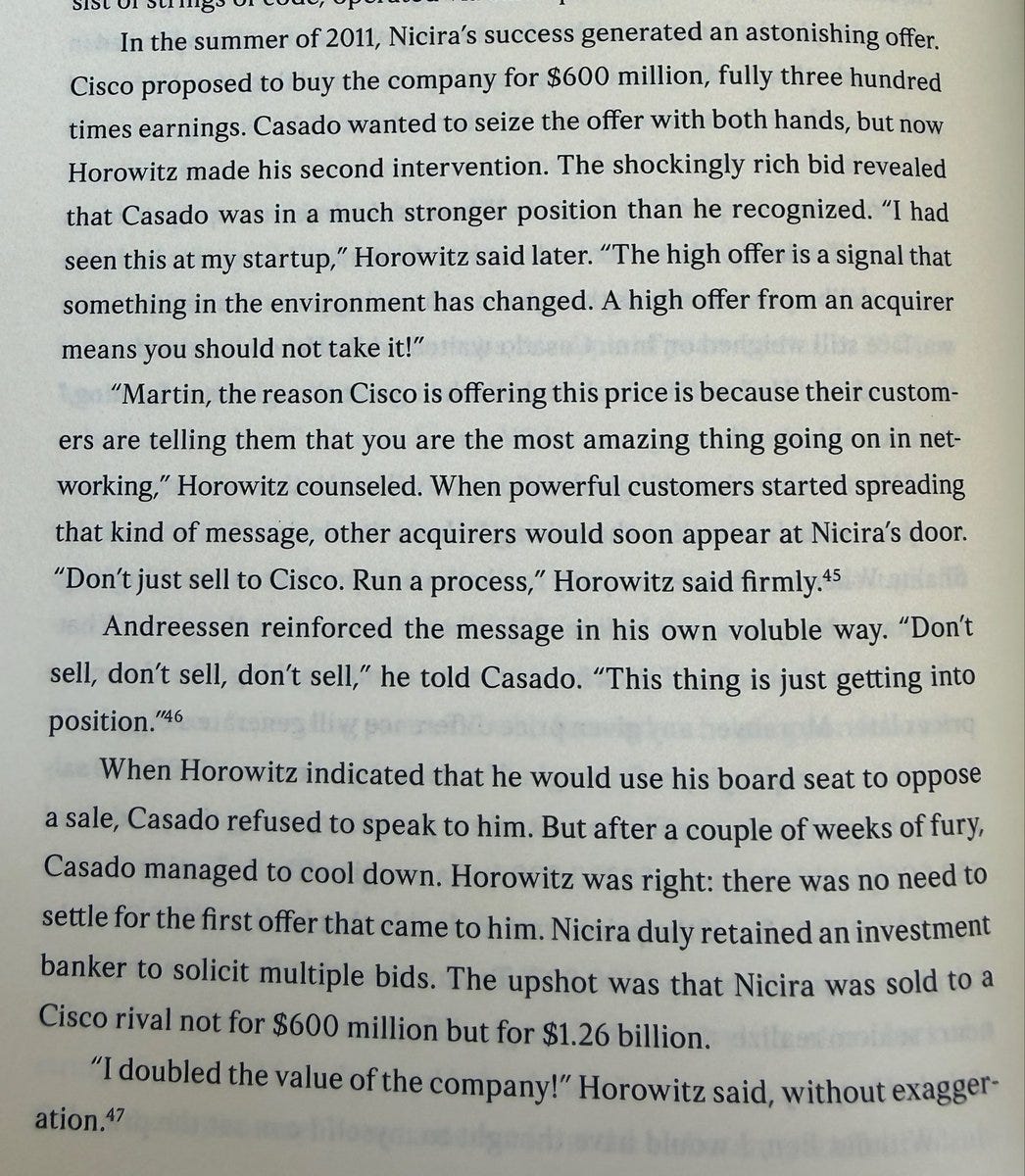
This was recorded on the sidelines of the new Compute Trading track at AIE NYC . Catch us next at AIE CODE , our last flagship for the top agentic engineers in the world. In the early days of cloud, former guest Martin Casado made something so disruptive that Cisco was threatened enough to pay $600m for it, and VMware outbid for $1.3B: That concept was software-defined networking , which virtualized the routing network by separating the control plane from the data plane. That revolution is now coming for GPUs - where previously running your own supercompute cluster required $50-100m upfront to get commitments and do the entire stack from hardware to firmware to kernels, SF Compute is now enabling you to not only buy or sell GPU hours now and in the future, but also to programmatically control everything from your network to memory. We last spoke with Evan about commoditizing compute . At AI Engineer New York, we went deeper: what does it take to physically deliver a GPU contract, and what has to be true before a market in compute can become liquid? From selling a room to running the hotel Evan describes SF Compute’s expansion with a hotel analogy. A customer wants a room, then asks for cleaning, room service, and security. Eventually you discover that delivering the room means operating the hotel. SF Compute began by trying to sublease a cluster; the company has since built much of the operating capacity of a cloud to deliver the compute traded on its market. That work is physical settlement: the buyer gets usable compute, rather than simply a cash payment against an index. It brings the physical constraints of a cluster into the market itself. Can a workload be interrupted? How quickly can it recover from storage? Which GPU generation, networking and software configuration does it need? Those details affect both the contract and the price. Making compute tradeable Rather than waiting for every GPU cluster to become interchangeable, SF Compute matches orders with di