Judge rejects xAI bid to dismiss NAACP suit over Memphis turbines
A federal judge in Mississippi denied xAI's motion to dismiss a Clean Air Act suit brought by the NAACP and its Mississippi State Conference. Judge Debra M. Brown of the U.S. District Court for the Northern District of Mississippi ruled that the plaintiffs have statutory standing and that the turbines are not mobile sources under Mississippi's state implementation plan. xAI had argued the turbines were exempt from permitting because they can move, and the court rejected that position. The suit names xAI and its subsidiary MZX Tech and was filed on April 14, 2026.
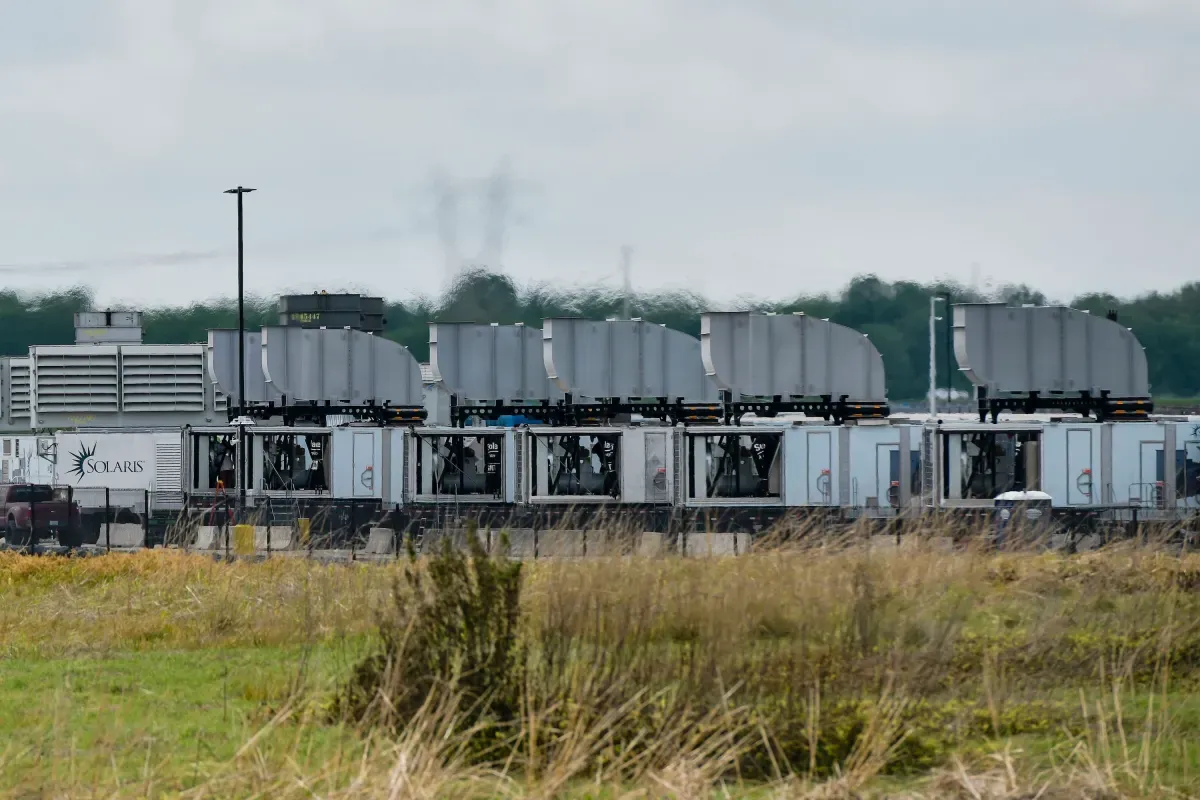
The Southern Environmental Law Center, which represents the NAACP alongside Earthjustice, says xAI installed and ran at least 35 combustion turbines at its Colossus site without preconstruction or operating air permits. Earthjustice describes 27 unpermitted methane gas turbines at a Southaven, Mississippi plant that powers Colossus 2, so reported turbine counts differ. A similar Justice Department motion to dismiss was also denied earlier this month, according to the plaintiffs. The NAACP has a separate request for a preliminary injunction that remains undecided.
The decision arrives as New York has enacted a moratorium on new data centers and other state and local governments weigh similar limits. Reporting on SpaceX's IPO filing says xAI expected to spend $2.8 billion on more mobile gas turbines while the emissions lawsuit remained pending.
Why it matters
For teams running their own compute, permitting now sits alongside power supply as a gating question. A site that relies on turbines for bridge or backup power may need air permit review before it can run, and a regulator's classification of the equipment can decide whether that review applies. Here the dispute turned on whether the equipment counts as mobile. Founders who treat temporary generation as a quick stopgap may find air review slows go-live more than hardware procurement does.
For investors, the exposure sits in timelines and disclosures. Litigation over unpermitted operation can lead to injunctions or forced changes to operations, and a company that keeps adding units during a case invites more scrutiny. Diligence on AI infrastructure assets should now cover air permit history, state classifications of onsite equipment, and any pending citizen suits.
Key points
- 1The judge ruled that the NAACP plaintiffs have statutory standing under the Clean Air Act.
- 2The court found the turbines are not mobile sources under Mississippi's state implementation plan.
- 3The Southern Environmental Law Center says at least 35 combustion turbines operated at Colossus without air permits.
- 4A similar Justice Department motion to dismiss was also denied earlier this month, according to the plaintiffs.
- 5