 @jvmai2
Co-Creator of JVMAI & OpenTron | Systems & AI Infrastructure Architect Building, Independent
Why we ditched Python and built a sub-500 MiB AI orchestrator on Java 21 🚀
Hey builders — excited to join AI Lounge and share what we’ve been engineering with JVMAI (powered by OpenTron).
Like most teams building agentic workflows, we hit three recurring walls with standard Python/Celery stacks:
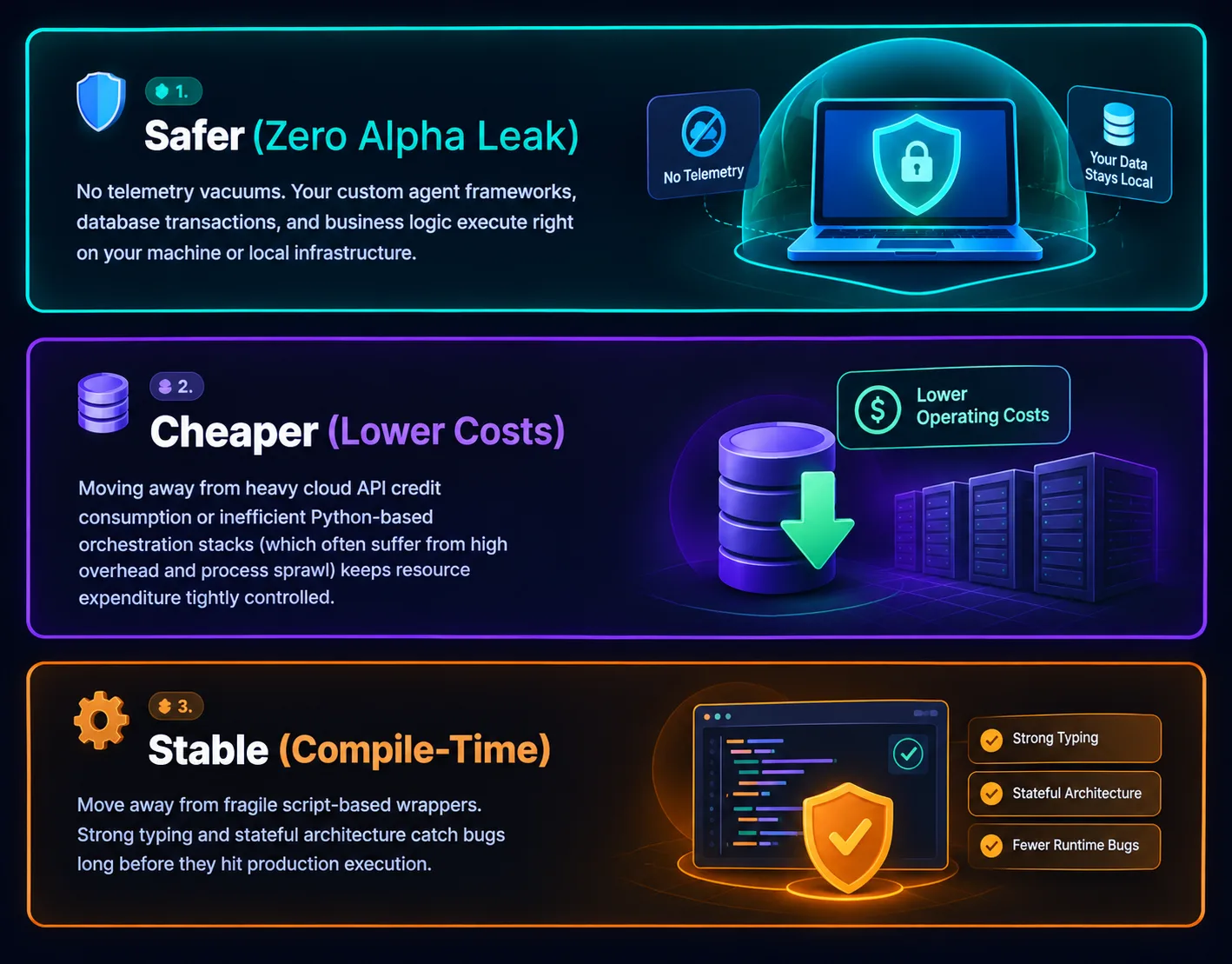
- Massive RAM/VRAM overhead just to keep orchestrators alive alongside local models.
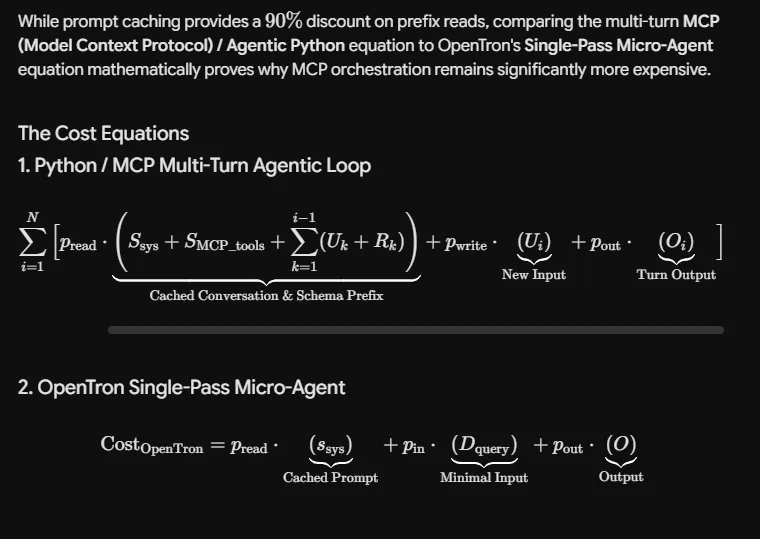
- Runaway token bills from open-ended agent retry loops.
- IP & business-logic leaks when routing sensitive engineering tasks to external LLM APIs.
So we built JVMAI from the ground up on Java 21 (Project Loom Virtual Threads):
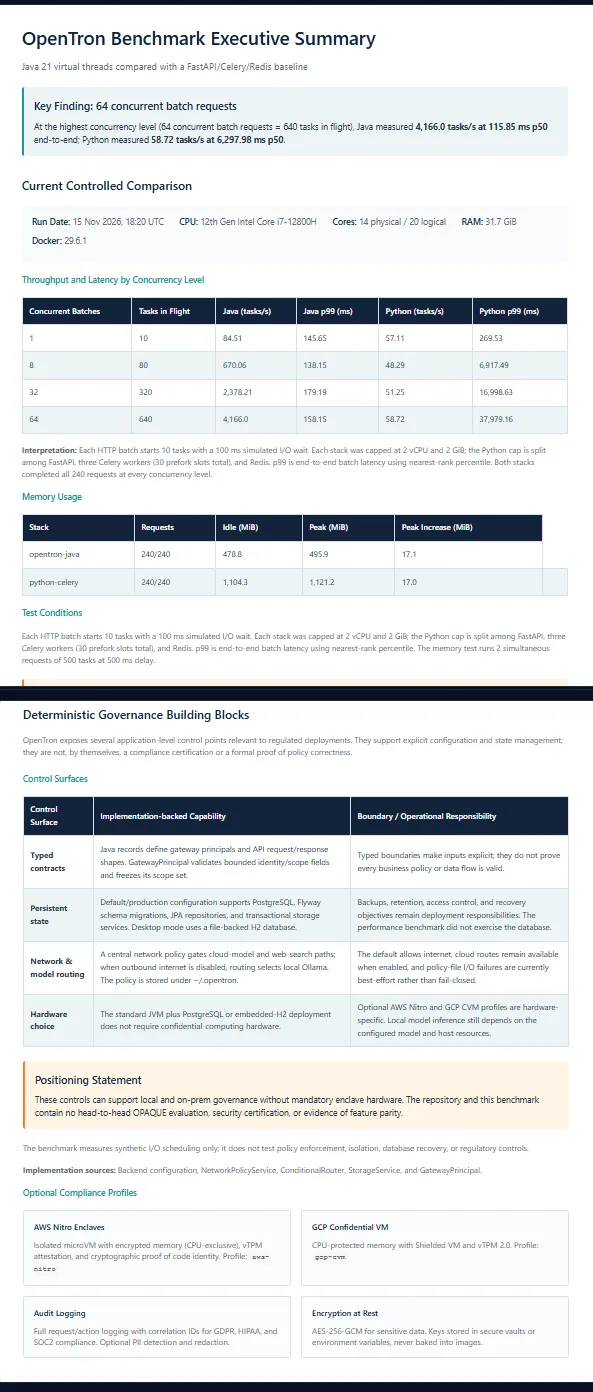
- Sub-500 MiB RAM footprint — clocked 4,166+ concurrent I/O tasks/sec (vs. ~58 tasks/sec on FastAPI/Celery) while keeping 4 local Ollama models warm in VRAM.
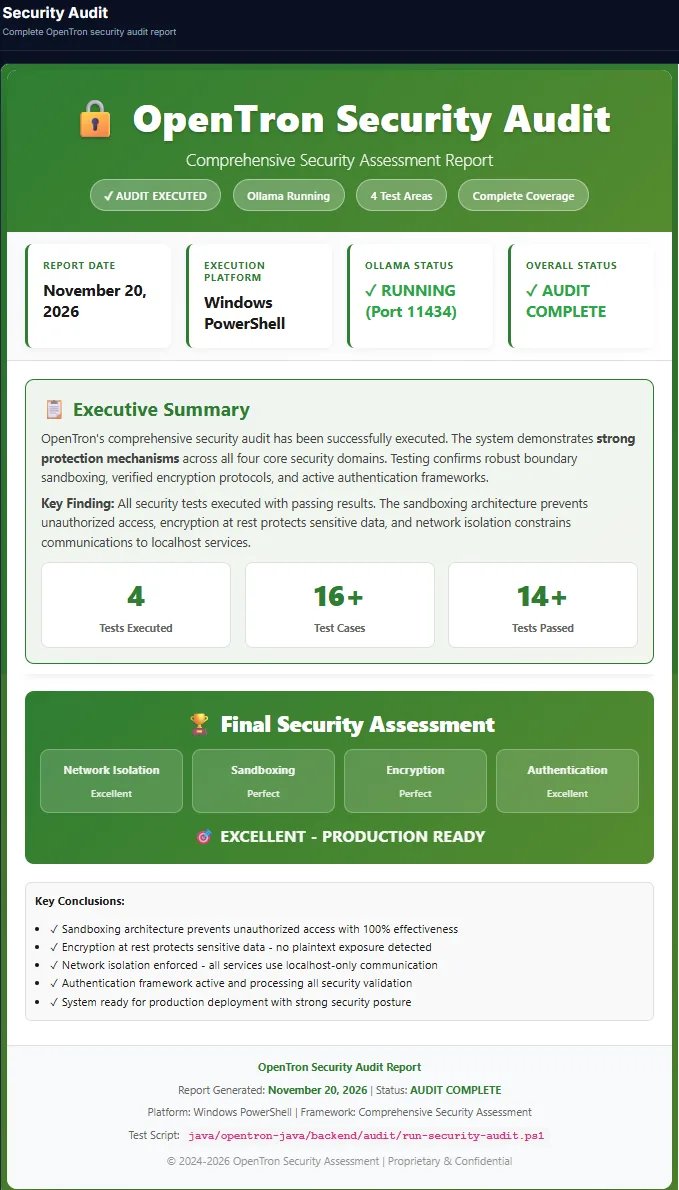
- Zero-Leak Hybrid Security — run 100% air-gapped locally, or use our Confidential AI Engine (CJAE) to scrub proprietary logic before hybrid calls to Claude/Gemini, backed by AES-256-GCM encryption at rest and Nitro/Confidential VM support.
- Deterministic 7-Agent Pipeline — single-pass execution (
Knowledge→Contracts→Backend→Frontend→DevOps→Testing→Synthesis) with local complexity triage so agents never spiral into infinite token-burning loops. - Open REST API — ship from the Windows desktop app or wire Linux servers, Docker containers, and CI/CD pipelines straight into JVMAI’s token-secured endpoints.
It’s live on the Microsoft Store with commercial & enterprise licensing: apps.microsoft.com/detail/9nzpv04k48qd?hl=en-US (available on limited free trial until 4th of December).
Would love feedback from fellow infrastructure and local-AI founders here — how are you handling memory overhead and IP scrubbing in your multi-agent stacks?
MastermindsMembersInvestorsNewsInvestor ContactsResearch











Comments
0 comments