Hungary: Communist-era files released, up to 60k former agents revealed
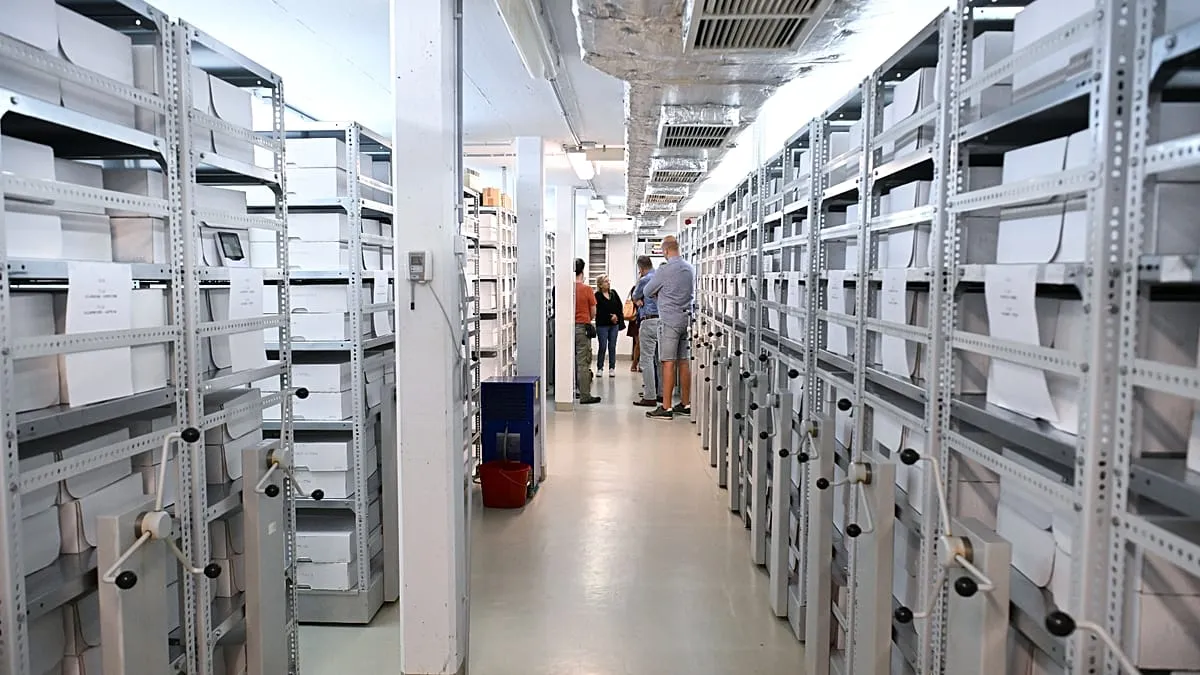
Euronews reports that Hungary opened its communist-era secret police files on Wednesday, November 4, 2026, with the release potentially naming as many as 60,000 informants. Prime Minister Peter Magyar put the public total at about 60,000 names at a press event held at the archive. According to Reuters, the records went into an online public database that anyone can search for names tied to the former state security services. Euronews puts the total across all disclosed documents at an estimated 50,000 to 60,000 agent names.
The files include a recruitment register for 1957 to 1962 and a database of personal data and code names. Estimates put the secret police's total at around 150,000 agents across four decades, with paperwork left for about one in three, per AFP. Cseh Gergő Bendegúz, director general of the state security archive, told MTI about 10,000 files exist. Reuters also notes that the collection is incomplete, since much material was eliminated during the 1956 uprising and in 1988 and 1989.
On Tuesday, Orbán said he declined an attempt by the secret services to enlist him during his military service. AFP reports that Orbán's name is absent from the records, despite pre-release rumours. Before this change, only researchers could obtain access, and they needed the archive's approval. The next batch is due in February 2027, according to QNC News.
Why it matters
For AI companies, the story is a reminder that large public record releases can appear with little warning and then get scraped, indexed and joined with other data. Teams building people search, background screening, identity resolution or KYC tools should note that a searchable list of named individuals is the kind of dataset that could feed matching systems, where common names create high error risk. Founders selling into government, media or compliance should expect similar requests as other countries undergo political change. Investors should weigh legal exposure: personal data about named people, including historical data about sensitive associations, brings privacy and defamation risk. The practical lesson is to track archive releases as a data-source risk, check licensing and provenance before ingesting public records, and keep human review in any product that flags individuals.
Key points
- 1Hungary placed communist-era secret police files in a searchable online database on November 4, 2026.
- 2Prime Minister Peter Magyar said about 60,000 names are now public.
- 3Estimates put the total agent names across all disclosures at 50,000 to 60,000.
- 4Estimates put the secret police's agent count at around 150,000 under the Rákosi and Kádár regimes.
- 5A second batch covering about 9,000 informants is due by February 2027.