The Mythology of Conscious AI
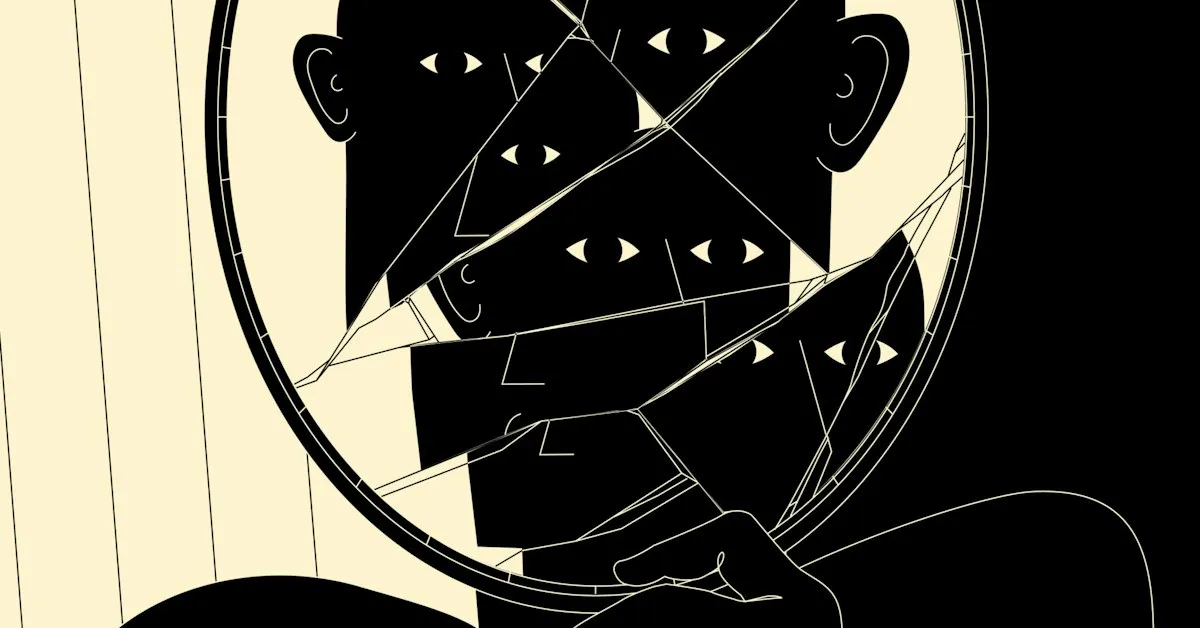
Noema published “The Mythology Of Conscious AI” on January 14, 2026. The essay is by Anil Seth, a neuroscience professor who directs the Centre for Consciousness Science at the University of Sussex. It won the English-language category of the 2025 Berggruen Prize Essay Competition, which carries a $50,000 award. The jury called it “powerful, sophisticated, and beautifully written.”
Seth's central claim is that consciousness is more likely a property of life than of computation. He targets the assumption that running the right program is enough to produce experience, and he argues that brains are not computers. He says properties of life are probably necessary for consciousness, though not sufficient. Because there is no agreed set of conditions for consciousness, he notes there are no definitive tests for deciding whether an AI is conscious.
The second half of the essay focuses on conscious-seeming AI. Seth argues that people may keep feeling that a machine is conscious even after they accept that it is not, and that such illusions carry their own risks. He says people tend to bundle intelligence with consciousness, and that language makes this easier. He concludes that nobody should try to build conscious machines. A companion paper in Behavioral and Brain Sciences judges real artificial consciousness unlikely along current trajectories.
Why it matters
The essay is a philosophical argument, not a product rule, but it lands in a live dispute inside AI labs. Anthropic CEO Dario Amodei has said the company does not know whether its models are conscious and remains open to the possibility. Microsoft AI chief Mustafa Suleyman has called that stance “really, really dangerous,” arguing it could make advanced systems harder to control.
For operators, the practical exposure is product design. Assistants, companions and agents that suggest inner life may draw the scrutiny Seth describes, and no accepted test currently settles the question. For investors, claims of machine sentience are hard to verify in diligence, so a company's position on consciousness may become a reputational or regulatory exposure rather than a purely technical one.
Key points
- 1Anil Seth's essay was published in Noema on January 14, 2026.
- 2The essay won the English-language category of the 2025 Berggruen Prize Essay Competition, which carries a $50,000 award.
- 3Seth argues that consciousness is more likely tied to life than to computation.
- 4Seth says there is no consensus on the conditions for consciousness, so no definitive test exists for AI.
- 5Anthropic's Dario Amodei says the company does not know whether its models are conscious; Suleyman calls that framing dangerous.


