Nvidia allegedly engineered scarcity by funding AI startups to buy its GPUs
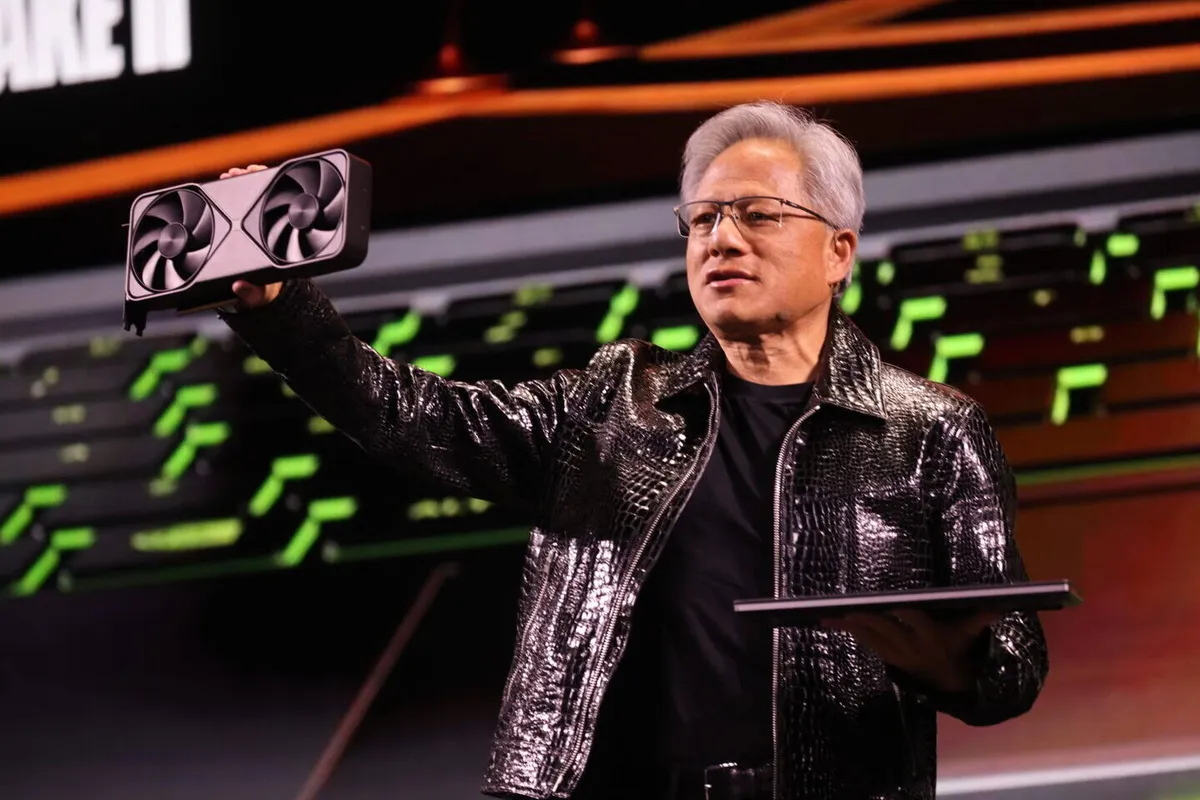
On November 13, 2026, TechPowerUp published a story built on a Wall Street Journal report that says Nvidia invested in AI startups and smaller cloud providers so they would buy its GPUs and build data centers. The stated aim was to keep demand looking strong while Nvidia moved a surplus of chips made by TSMC.
The report points to an August meeting in which CFO and acting CEO Colette Kress reportedly pushed to reduce circular financing agreements, including Nvidia's reported $250 billion deal with OpenAI. Jensen Huang reportedly belittled her for raising the issue. The report also says many small cloud providers Nvidia funded could not afford the GPUs they were expected to buy.
The alleged mechanism is circular financing: Nvidia funds a customer, the customer buys Nvidia hardware, and the money returns to Nvidia as revenue. Wccftech's coverage also says Kress pushed to rein in commitments to smaller clouds and to major AI firms including OpenAI and Anthropic. None of this is confirmed. Available coverage cites no Nvidia statement or filing confirming a deliberate scarcity strategy. The report comes after Huang's departure as chief executive, with Kress now acting CEO.
Why it matters
For founders, the allegation matters mainly for how compute is priced and allocated. If Nvidia-backed buyers were added to absorb chips, a startup's view of GPU scarcity may have been shaped by demand that was partly manufactured, which affects how much capacity to lock in and at what price. Vendor financing also changes what a customer owes: a company that takes Nvidia money to buy Nvidia chips may face pressure on its own balance sheet if sales slow, as the report's CFO concern about affordability suggests.
For investors, the story raises questions about how much reported AI infrastructure demand flows back to the chip vendor. Revenue that depends on funded customers is harder to read than revenue from independent buyers, and diligence should ask whether a supplier has invested in, guaranteed, or lent to its own customers. Operators renting capacity from neoclouds should also watch counterparty risk, since small cloud providers that cannot pay for their hardware could fail to meet contracts.
Key points
- 1A Wall Street Journal report, relayed by TechPowerUp on November 13, 2026, alleges the funding strategy.
- 2Alleged recipients include AI startups and smaller cloud providers that would buy Nvidia GPUs and build data centers.
- 3The report places a push to scale back Nvidia's reported $250 billion OpenAI deal in an August meeting.
- 4Colette Kress, Nvidia's CFO and acting CEO, reportedly urged reducing circular financing agreements.