Google selects Blue Origin's New Glenn to launch orbital AI computing satellites in 2029
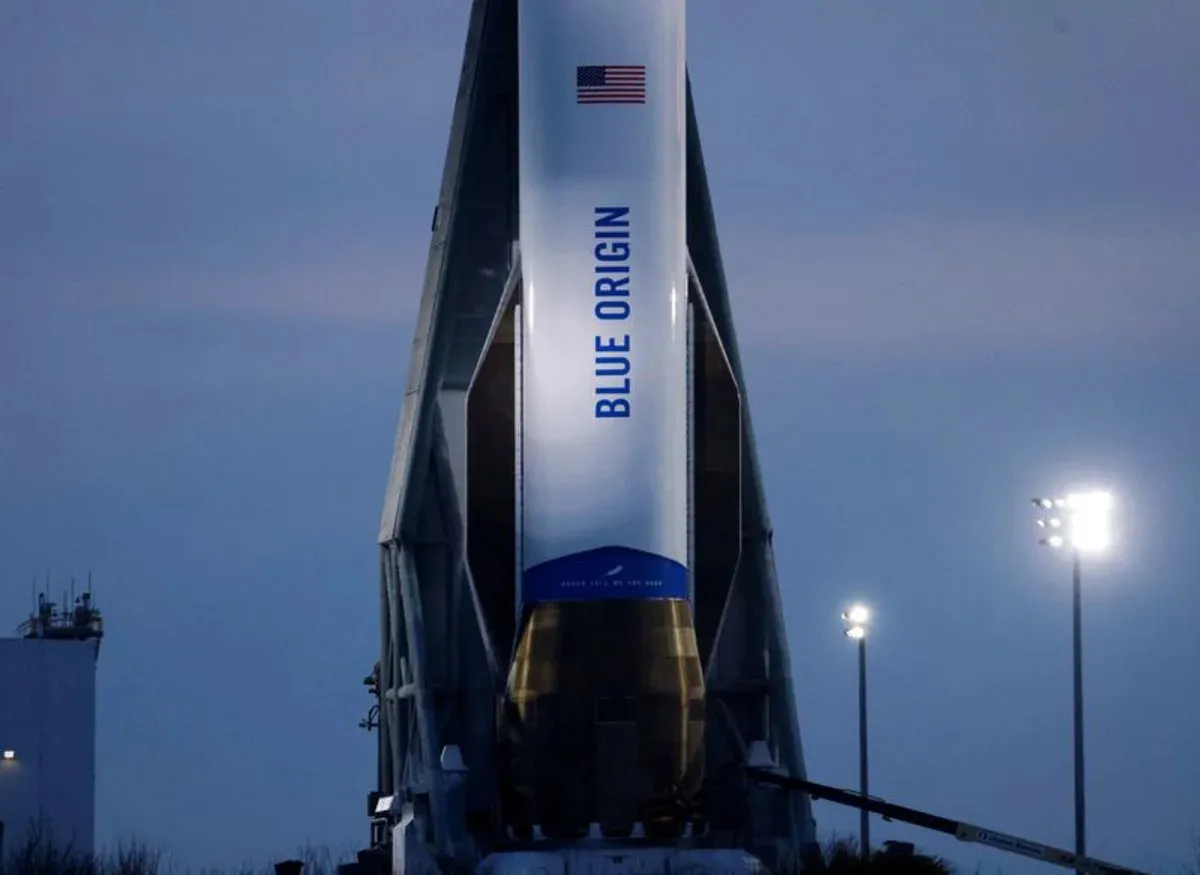
Blue Origin said on Thursday, November 19, 2026, that Alphabet's Google had picked its New Glenn rocket to launch satellites for Project Suncatcher, an experiment in running AI systems in space, according to Reuters. The launch is targeted for the first quarter of 2029 and would be Google's first dedicated heavy-lift flight for the program, carrying several computing satellites. Reuters reported that the satellites will enter an orbit with near-continuous sunlight, which Google wants to use to test whether solar power can support intensive computing without the land, grid and cooling demands of ground sites.
Each satellite carries Google's tensor processing units and roughly the computing capacity of one data center rack, according to Engadget's account of the announcement. Neither company has disclosed how many satellites will fly or what the launch costs. The program's first prototype, built with Planet, reached orbit on a SpaceX rocket in October and was reported to be operating as expected. That mission is checking whether the chips can survive launch forces, radiation and extreme temperatures, while engineers study how to cool hardware without the airflow available on Earth.
New Glenn is the complication. The rocket has been grounded since a May 28, 2026 explosion during a hot-fire test at Cape Canaveral, which badly damaged the Florida launch pad. CNBC reported on November 5 that Blue Origin had pushed its return to flight to January 2027. Google also plans two additional test satellites in 2027 to check whether the chips can be linked by laser.
Why it matters
For founders and operators, orbital compute is not capacity to plan around. The 2029 target is a research flight, the satellite count is unknown, and no pricing has been published. The more useful signal is that power, land and cooling limits are pushing the largest AI buyers to look beyond conventional sites. That pressure will shape where new compute gets built and what training and inference capacity costs over the next several years.
For investors, the deal widens the market for launch providers and for suppliers of space hardware, thermal systems and optical links, while showing how dependent such plans are on a rocket with recent schedule risk. Companies selling into AI infrastructure should track power contracts and cooling capacity as the binding constraints, since those decide availability and price for ground-based training and inference well before any orbital capacity arrives.
Key points
- 1Google selected Blue Origin's New Glenn for the first dedicated heavy-lift Project Suncatcher launch, targeted for Q1 2029.
- 2Each planned satellite carries Google's TPU chips and roughly the computing capacity of one data center rack.
- 3New Glenn has been grounded since a May 28, 2026 explosion during a hot-fire test at Cape Canaveral.
- 4Blue Origin has delayed New Glenn's return to flight to January 2027, according to CNBC's November 5 report.
- 5