A Beginner's Guide to Local AI with Inkling, Qwen, and Unsloth
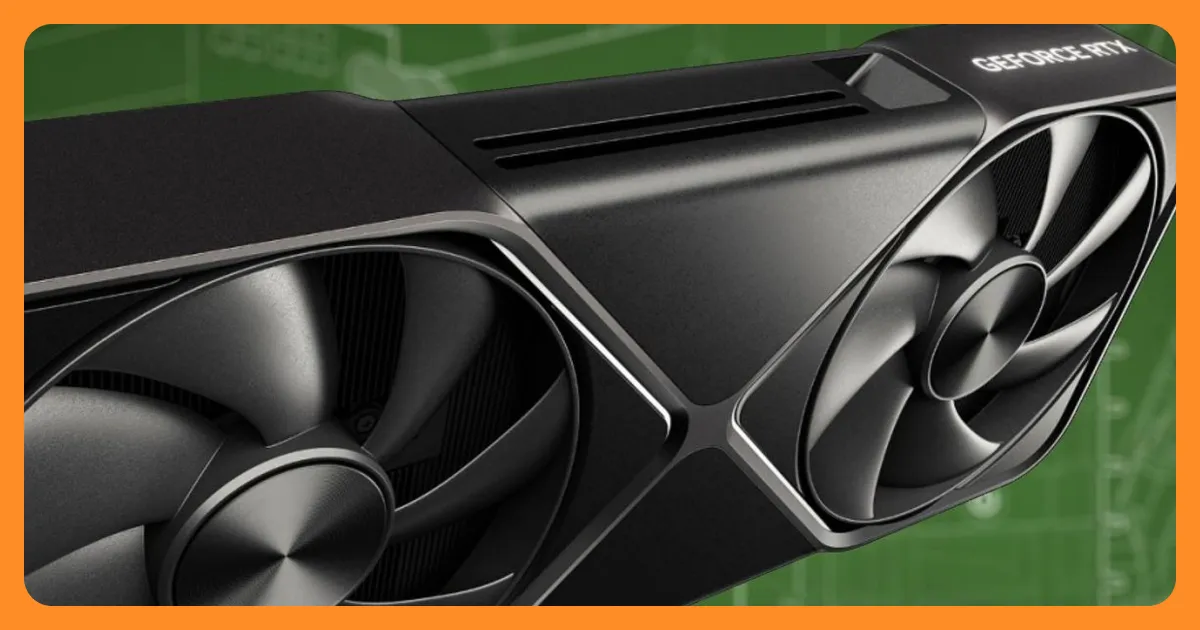
GPU Partner published a beginner's walkthrough on November 22, 2026, written by Jerry James, for running a private chat assistant on a Windows PC. <cite index="20-11">Source: A beginner's guide to Local AI with Inkling, Qwen, and Unsloth, by GPU Partner, Nov 22, 2026</cite> The steps are to install Unsloth Desktop, download a quantized model that fits the graphics card's memory, set the context length, and turn on LAN sharing. <cite index="8-10">Quantization shrinks Qwen3.8-27B from about 56 GB of 16-bit weights to an 18 GB file that fits a 32 GB RTX 5090.</cite> <cite index="1-8">That file size leaves about 14 GB on a 32 GB card for context.</cite> Inkling 2 Mini, <cite index="1-7">released by Thinking Machines Lab on November 17, 2026</cite>, is offered as an alternative <cite index="24-9">of similar size at 17.6 GB</cite>.
Sharing runs through the Remote & LAN settings. <cite index="19-9">Users set a Remote password, start LAN access, and share the address with people on the home network, who sign in as 'unsloth.'</cite> <cite index="19-10">The host PC must remain on with Unsloth running.</cite> <cite index="19-11">Internet access is not part of this setup.</cite> The guide chose Unsloth Desktop over LM Studio <cite index="19-8">partly because it did not push a subscription.</cite> Another report puts the basic install at <cite index="20-5">10 to 15 minutes</cite> after the software and model downloads.
The walkthrough has limits. Its reference table lists <cite index="23-15">Inkling 2 Small at 594B parameters, with a smallest file of 171.7 GB</cite>, far beyond a consumer card. The publisher also sells graphics cards and <cite index="24-13">links to its own stock, so the hardware advice should be read with that in mind.</cite>
Why it matters
For companies selling hosted AI, the guide is another sign that a capable open-weight model can now run on a single consumer graphics card. One summary frames local AI as an alternative to <cite index="1-4">cloud providers that increasingly resemble infrastructure businesses and control which models users can run.</cite> A founder pricing a per-seat chat product should expect some buyers to compare it with a one-time hardware purchase plus a free app.